AI Governance
49 articles tagged "AI Governance"
AI governance bridges the gap between AI innovation and enterprise requirements for security, compliance, and accountability. These articles cover governance frameworks, implementation strategies, and real-world approaches to managing AI systems at scale.
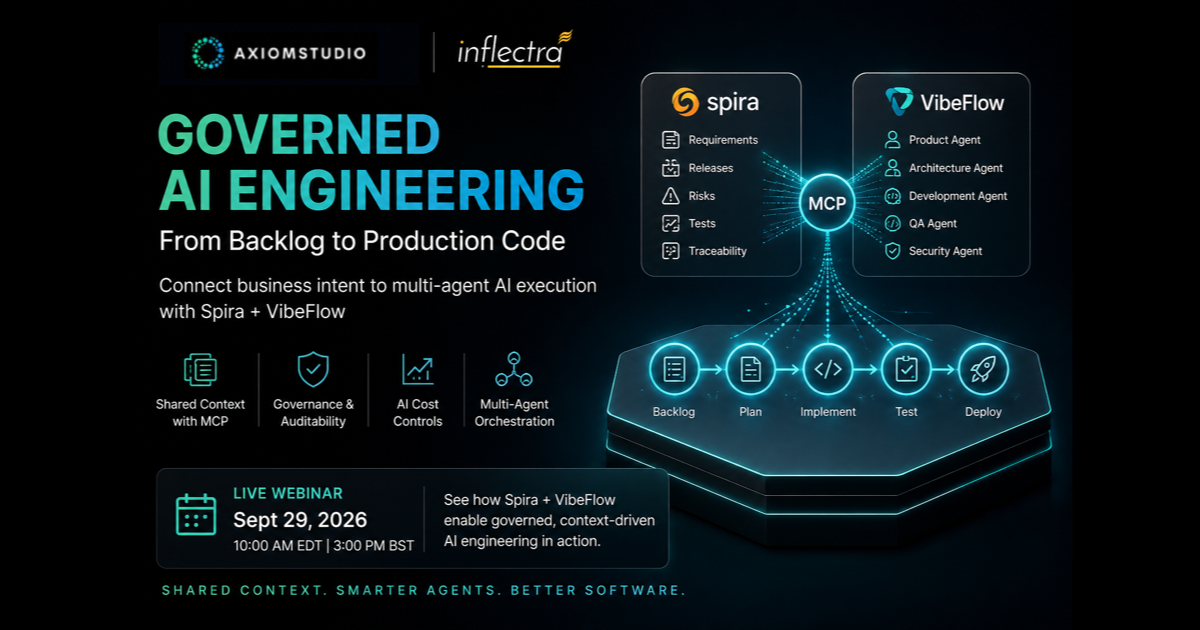
Governed AI Engineering: Building a Better Product Development Model for the AI Era
Learn how shared context, traceability, multi-agent orchestration, and continuous governance turn AI coding velocity into production-ready software.
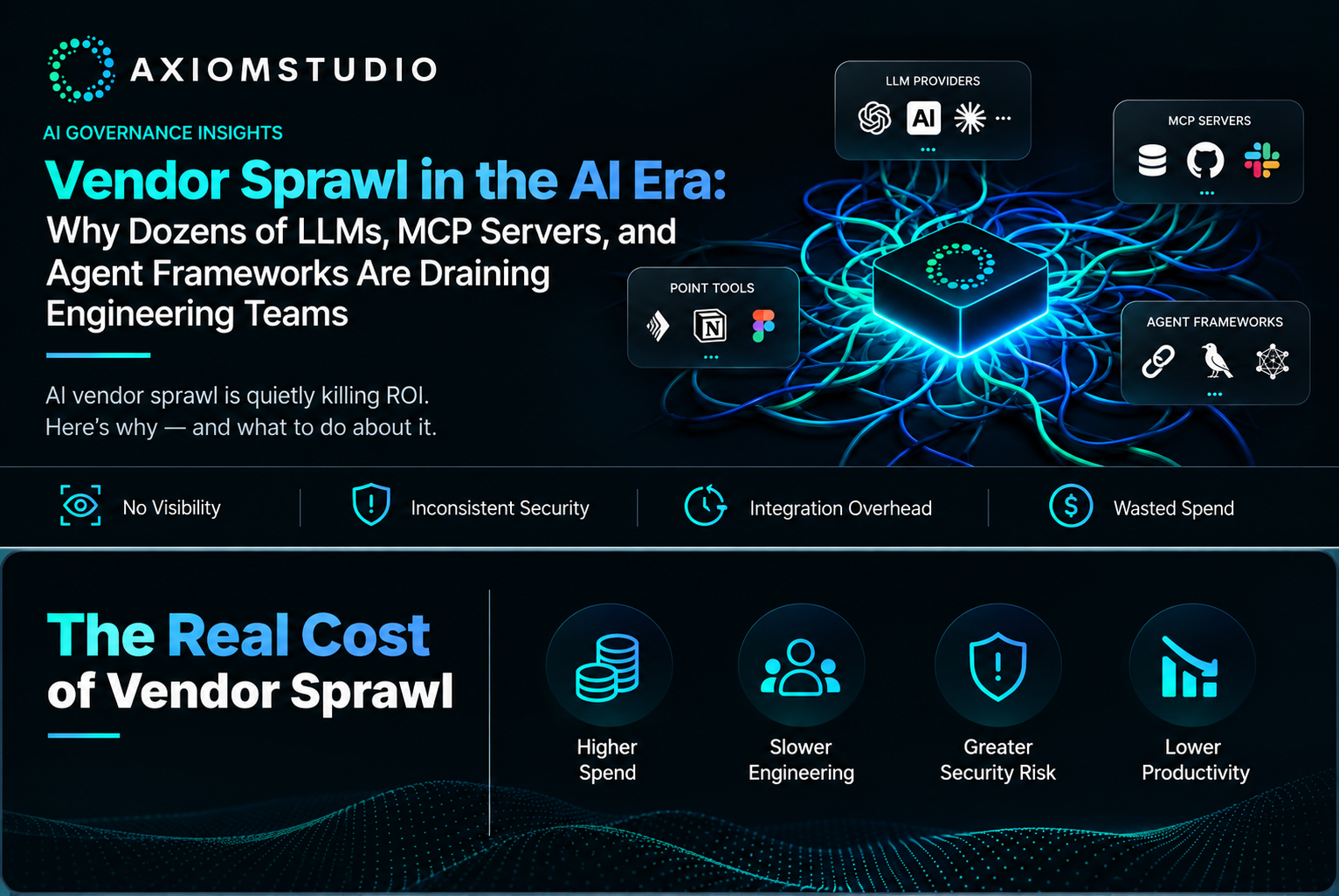
AI Vendor Sprawl: Why LLMs, MCP Servers, and Agent Frameworks Drain Engineering Teams
LLM providers, MCP servers, and agent frameworks are multiplying faster than procurement can track them. Here is why AI vendor sprawl is quietly killing ROI—and what engineering leaders can do about it.
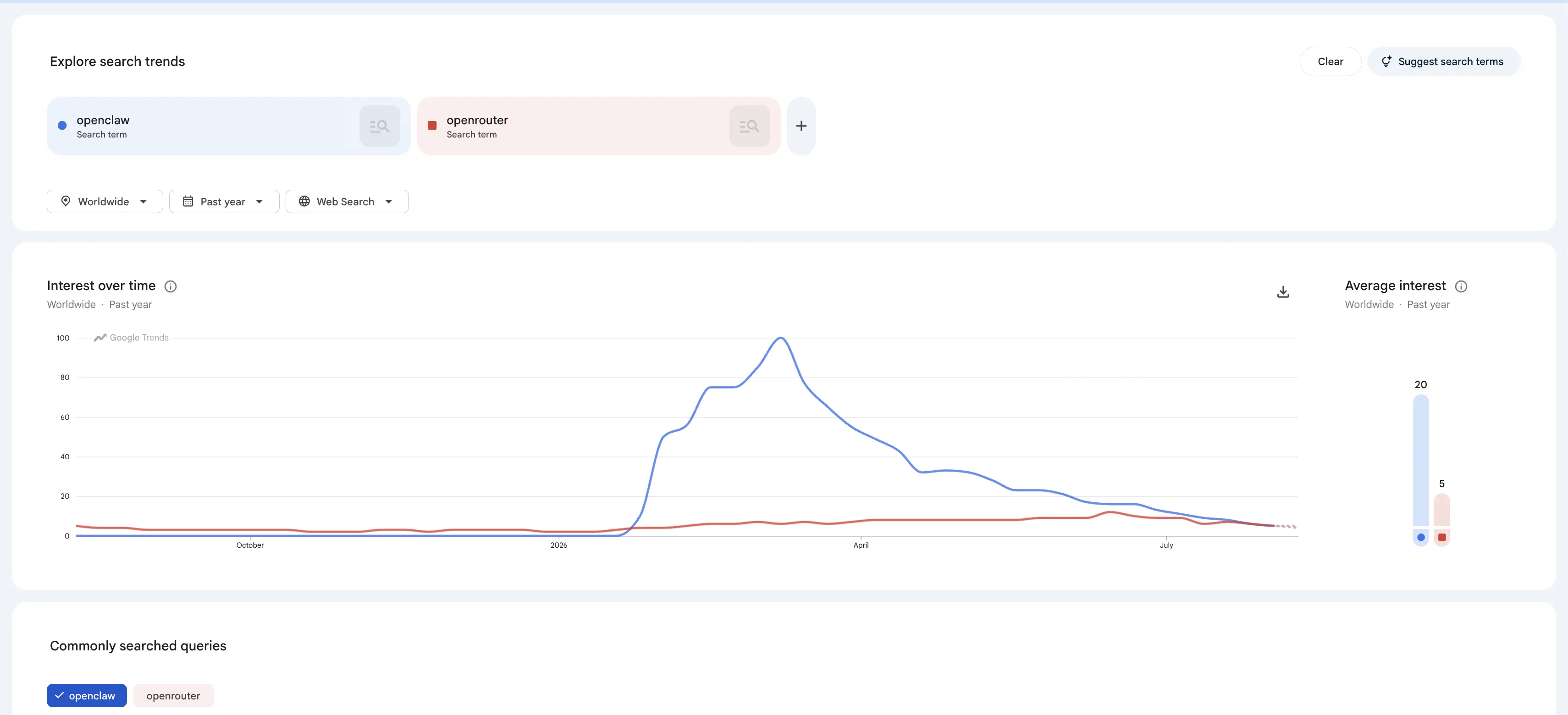
OpenClaw and OpenRouter Search Interest Is Falling. Is AI Trust Falling Too?
Google Trends shows cooling interest in OpenClaw and OpenRouter. We separate what the charts show from what they cannot tell us about AI trust.
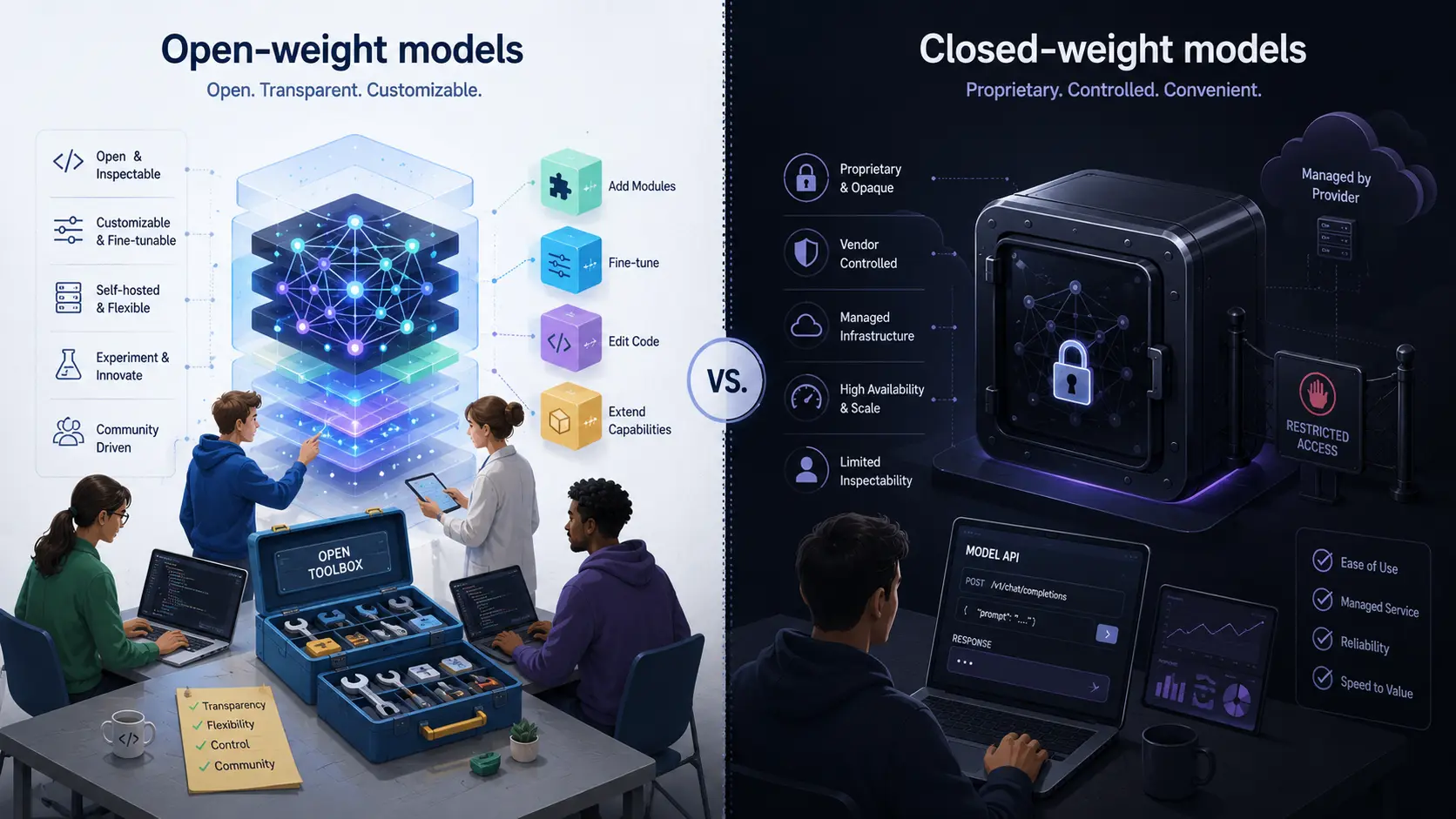
Open-Weight Models in 2026: DeepSeek, Kimi, and Open vs. Closed AI
Open-weight models like DeepSeek and Kimi have closed much of the gap with closed frontier AI. Here is how they work, how open-weight and closed-weight models differ, the pros and cons of each, and how enterprises can adopt open weights without losing governance.
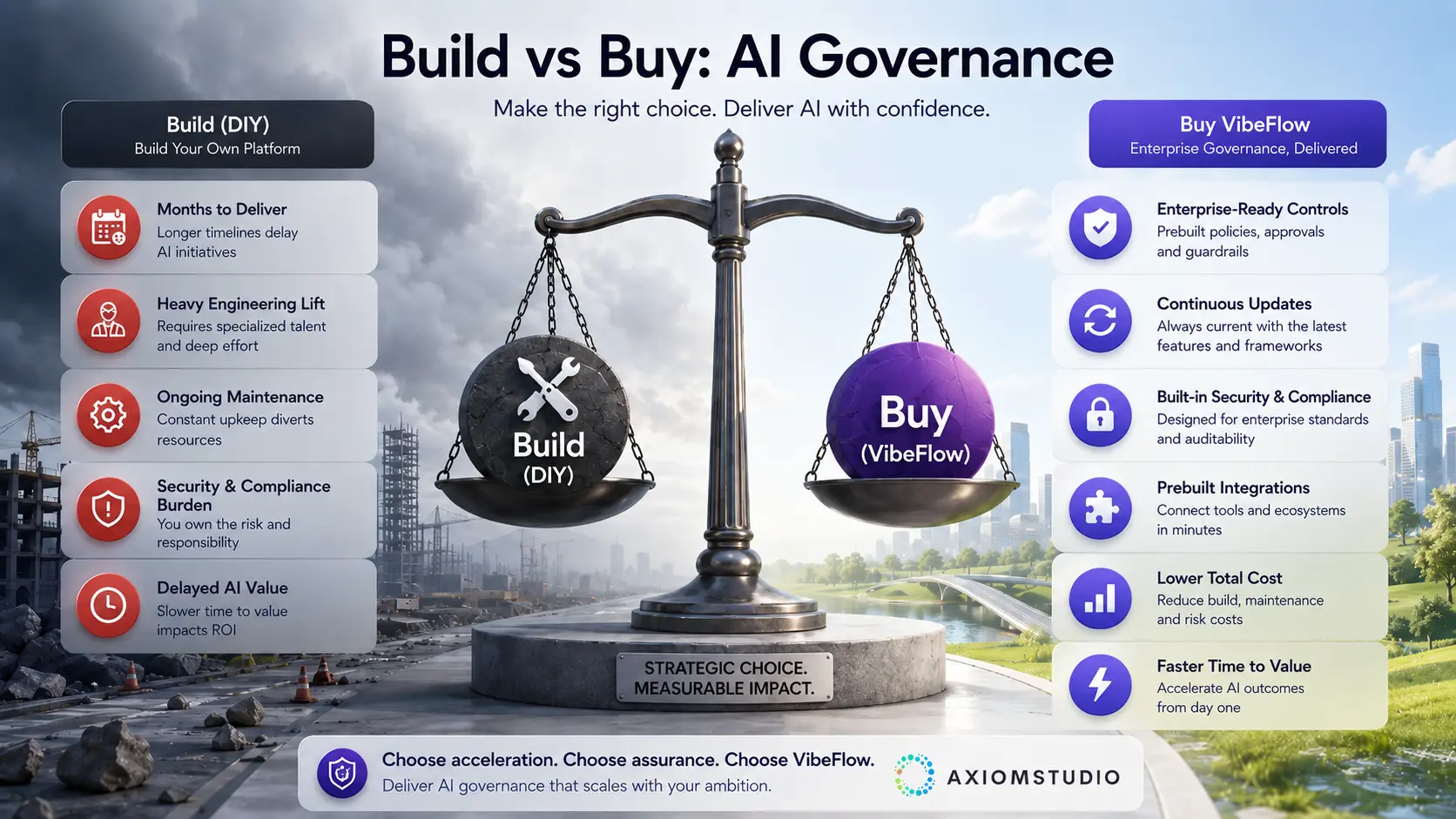
Building vs Buying Your AI Governance Layer: What Engineering Leaders Get Wrong
A neutral decision framework for AI governance build-vs-buy decisions across integration cost, audit evidence, review gates, model and tool governance, maintenance, rollout risk, and time to value.
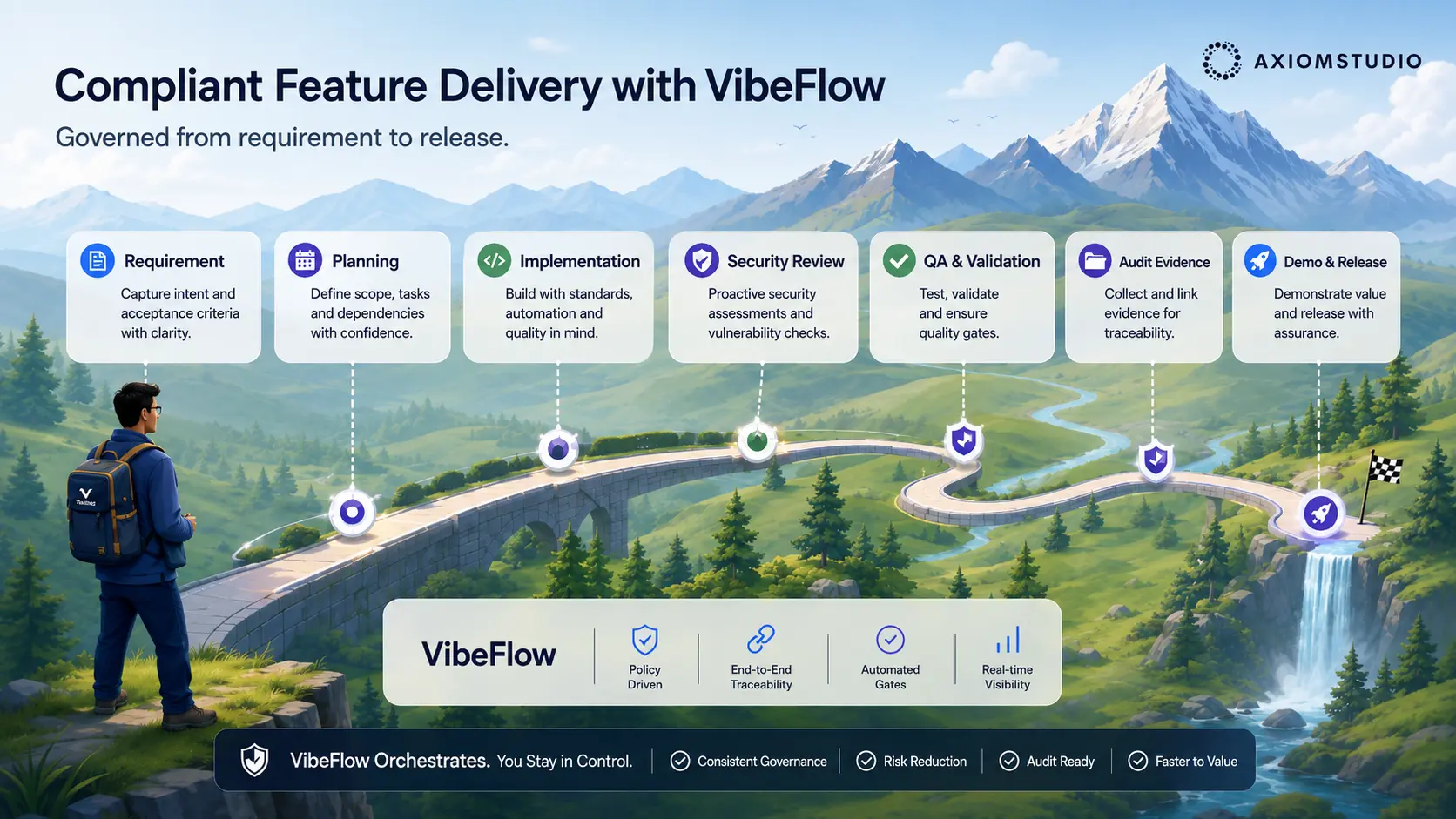
How We Built a Compliant Feature in Under an Hour with VibeFlow
A practical walkthrough of how a governed feature moves through VibeFlow from requirement to implementation, security review, QA, audit trail, and demo-ready evidence.
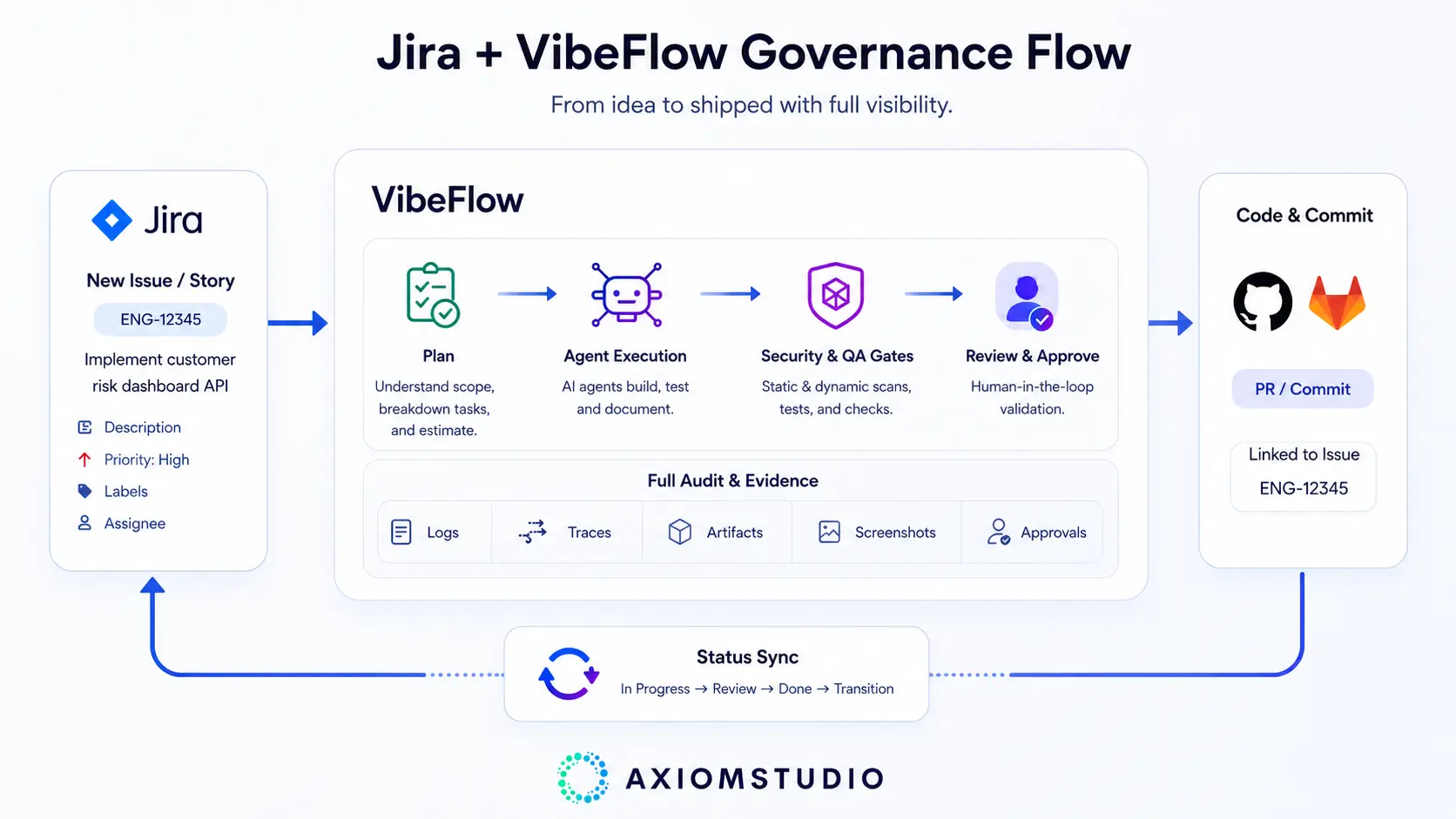
Jira + VibeFlow: The Governance Layer Your Atlassian SDLC Was Missing
How Jira-first engineering teams can add governed AI implementation workflows with VibeFlow: claim tracking, logs, security review, QA, commit evidence, and audit trails.
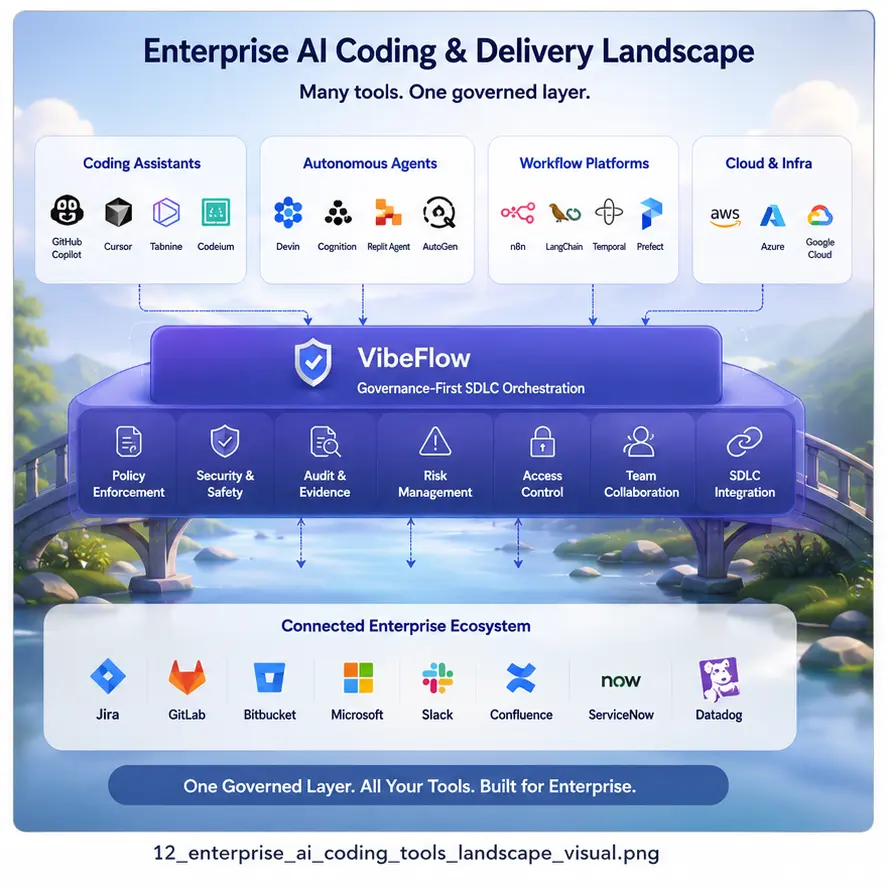
Top 10 AI Coding Tools for Enterprise Engineering Teams in 2026
A practical enterprise shortlist for AI coding tools in 2026, covering coding assistants, agents, review gates, governance layers, and the controls engineering leaders should evaluate.
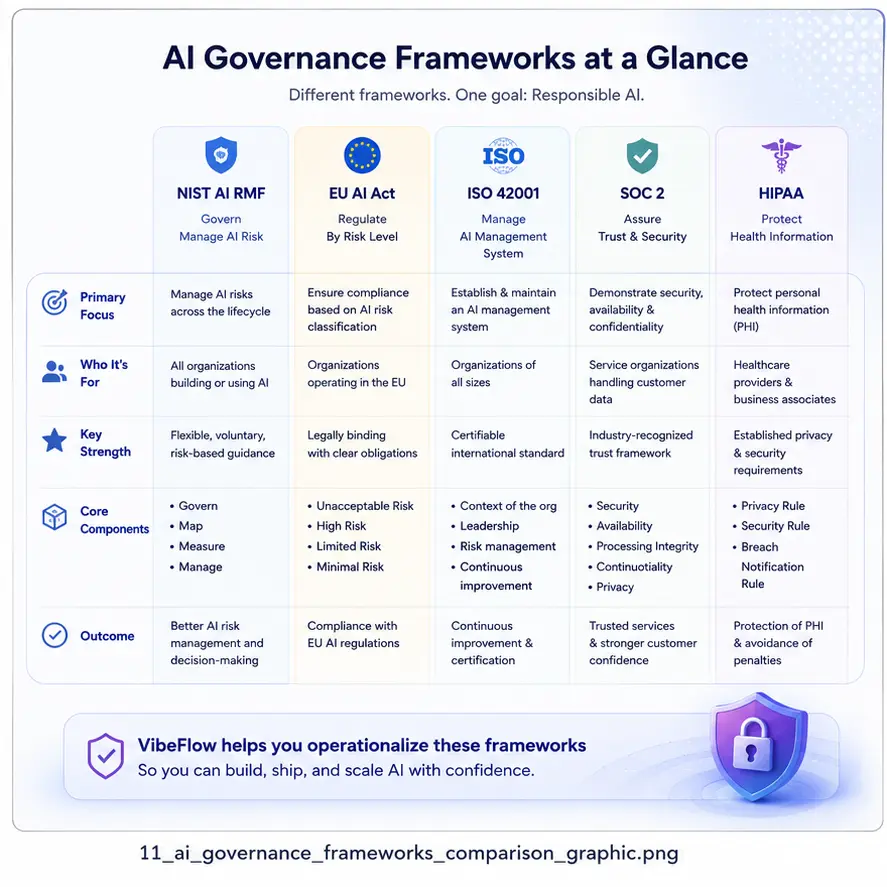
Top 5 AI Governance Frameworks for Engineering Leaders in 2026
Compare NIST AI RMF, EU AI Act, ISO 42001, SOC 2, and HIPAA from an engineering execution perspective: what each framework requires and how to turn it into evidence.
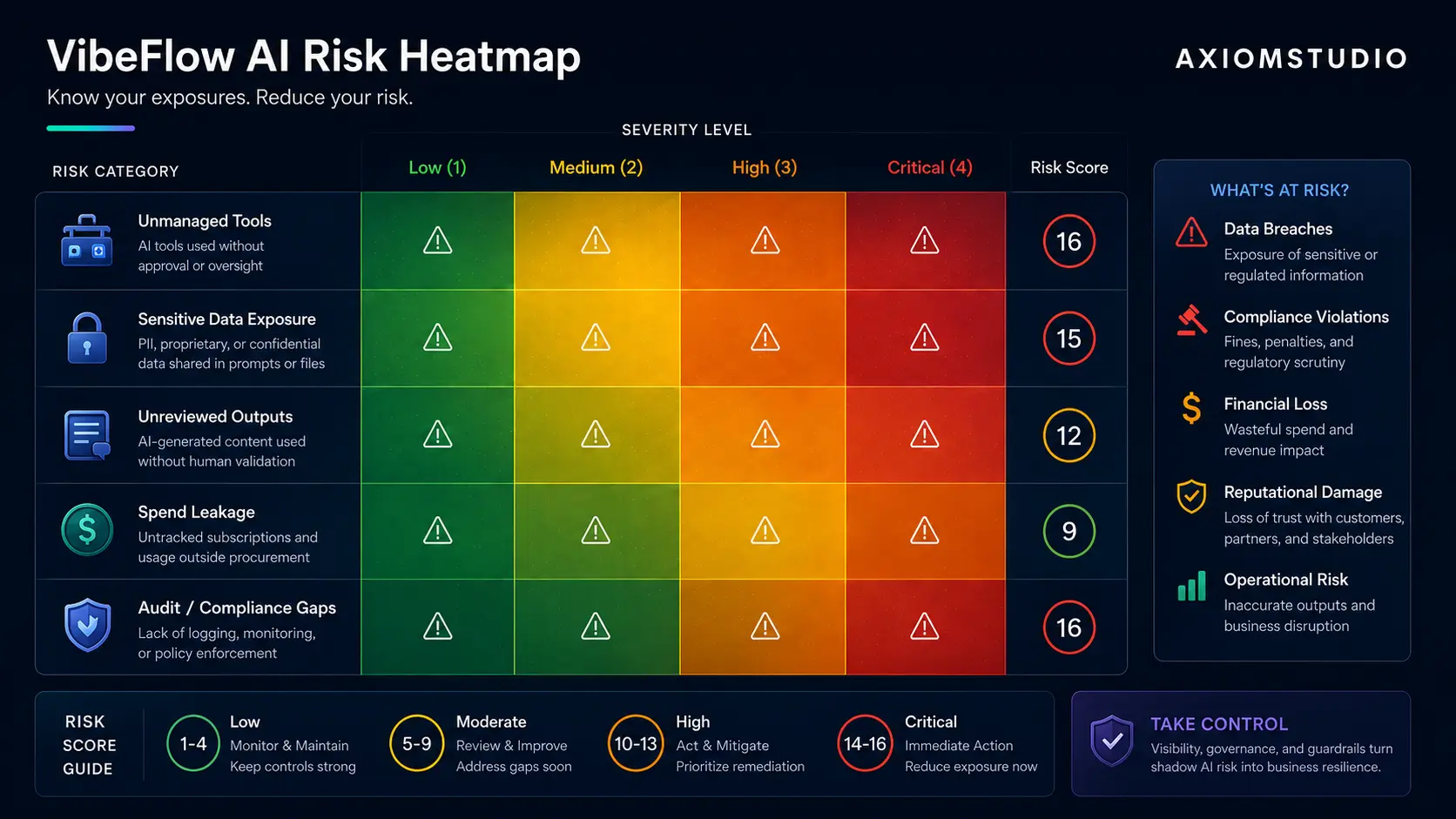
Top 5 Signs Your Engineering Team Has a Shadow AI Problem
A diagnostic scorecard for engineering leaders: identify shadow AI risk across unmanaged tools, sensitive data exposure, unreviewed outputs, spend leakage, and missing audit evidence.
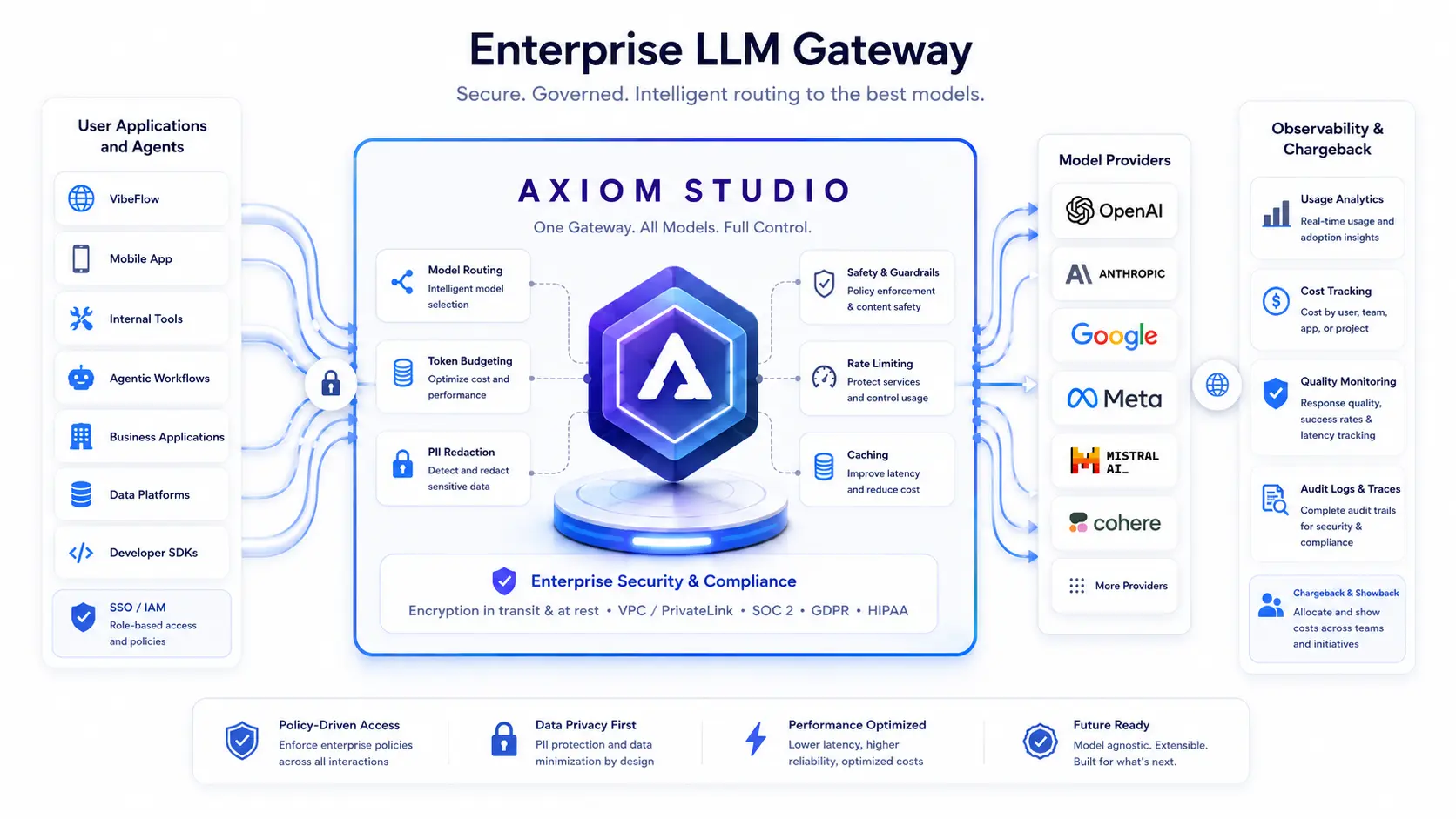
Top 7 LLM Gateway Solutions for Enterprise AI Teams
Compare enterprise LLM gateway solutions across routing, observability, policy, cost controls, guardrails, provider abstraction, and production governance.
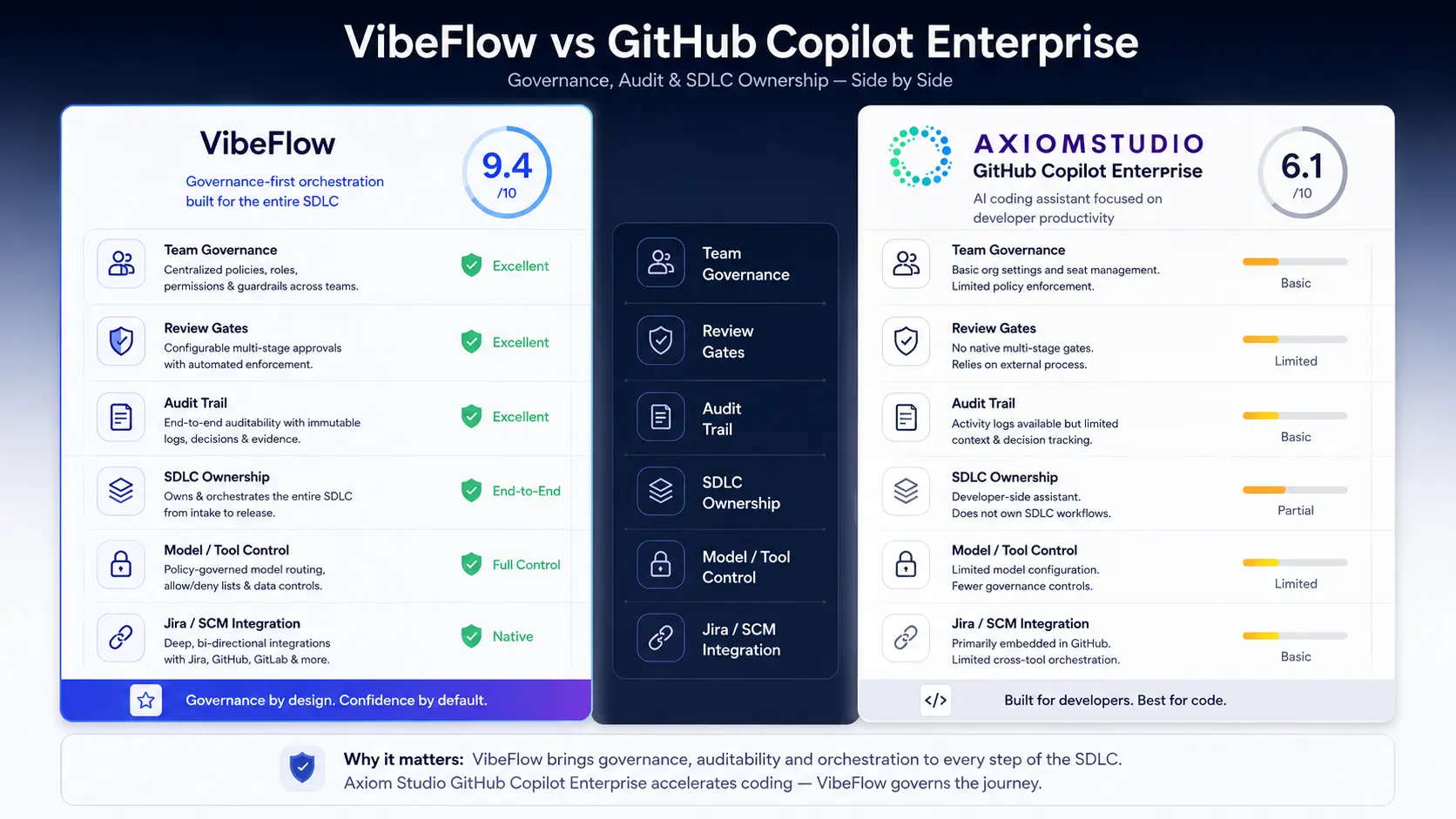
VibeFlow vs GitHub Copilot Enterprise: What Engineering Leaders Care About
A practical comparison of VibeFlow and GitHub Copilot Enterprise across governance, audit trails, review gates, SDLC ownership, metrics, rollout risk, and team controls.
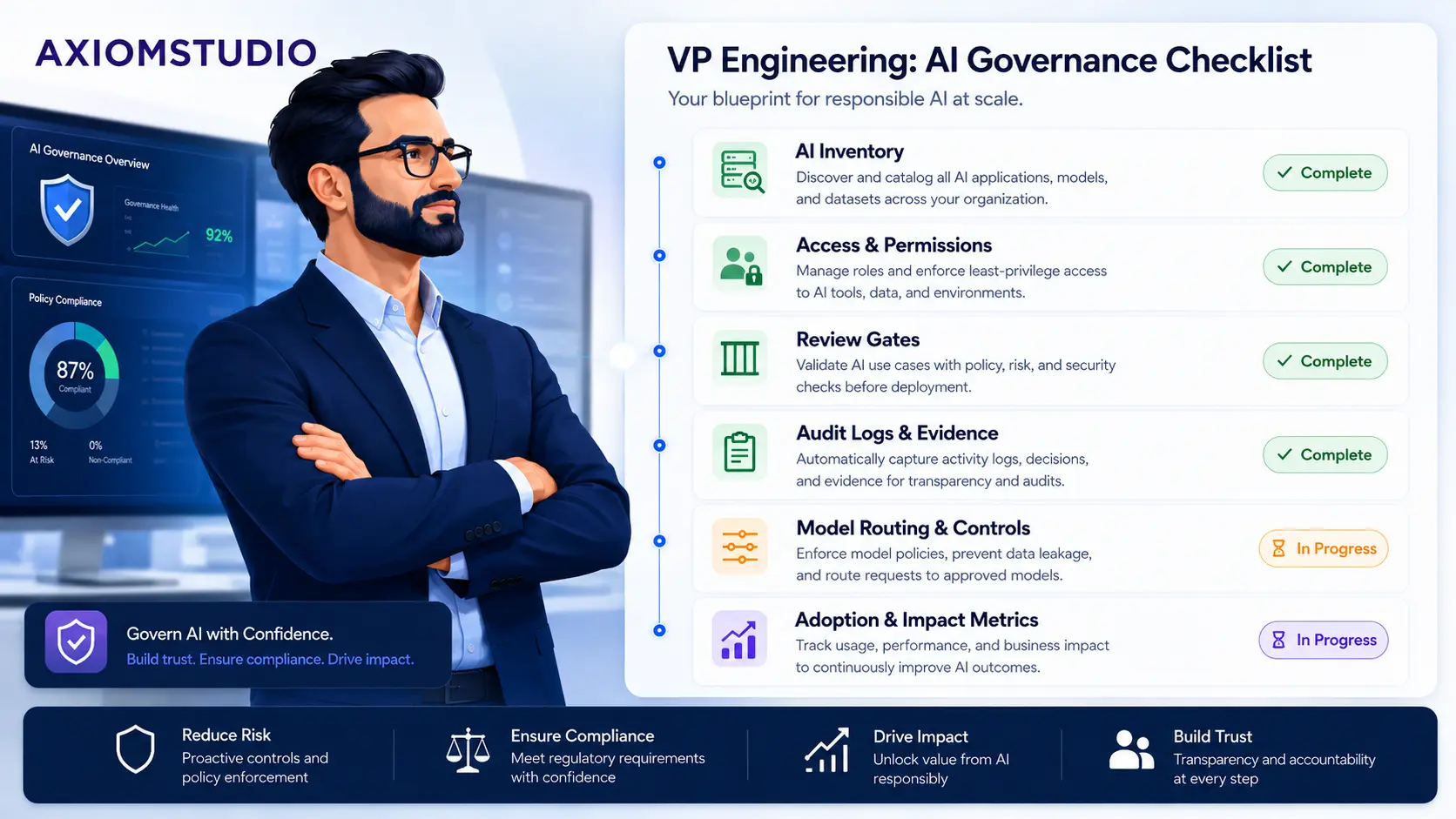
The VP Engineering Checklist for Governing AI Tools Across Dev Teams
A practical checklist for engineering leaders governing AI tool sprawl: inventory, ownership, permissions, review gates, audit logs, compliance evidence, routing, and adoption metrics.
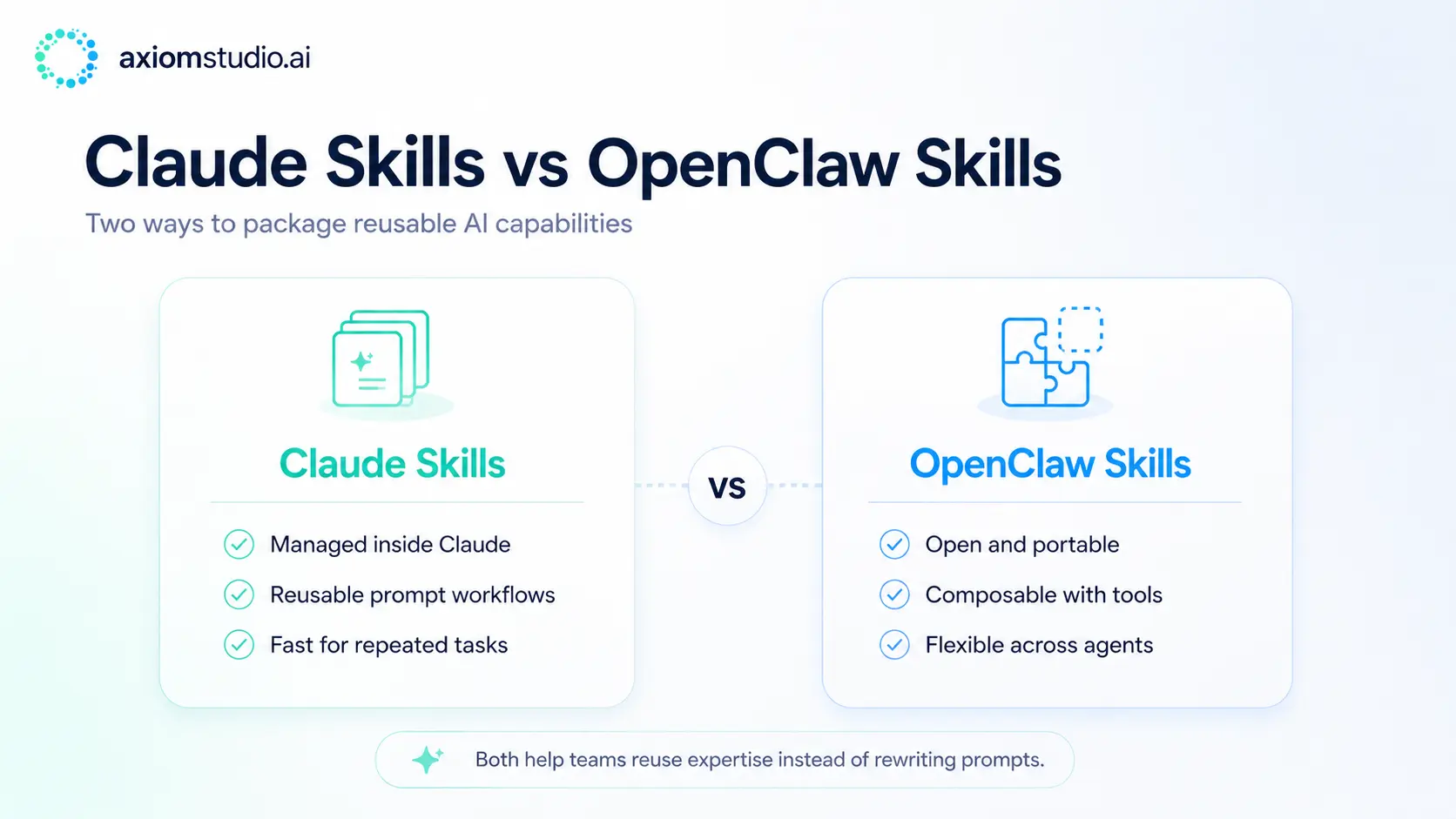
Claude Skills vs OpenClaw Skills: A Practical Comparison
How Claude Skills and OpenClaw Skills compare on SKILL.md format, locations, precedence, invocation, distribution, and security — and how to pick.
Agent Skills: What They Are and How to Write Them Well
A practical guide to agent skills: what they are, how they differ from tools and workflow steps, and how to design skills that survive real production use.
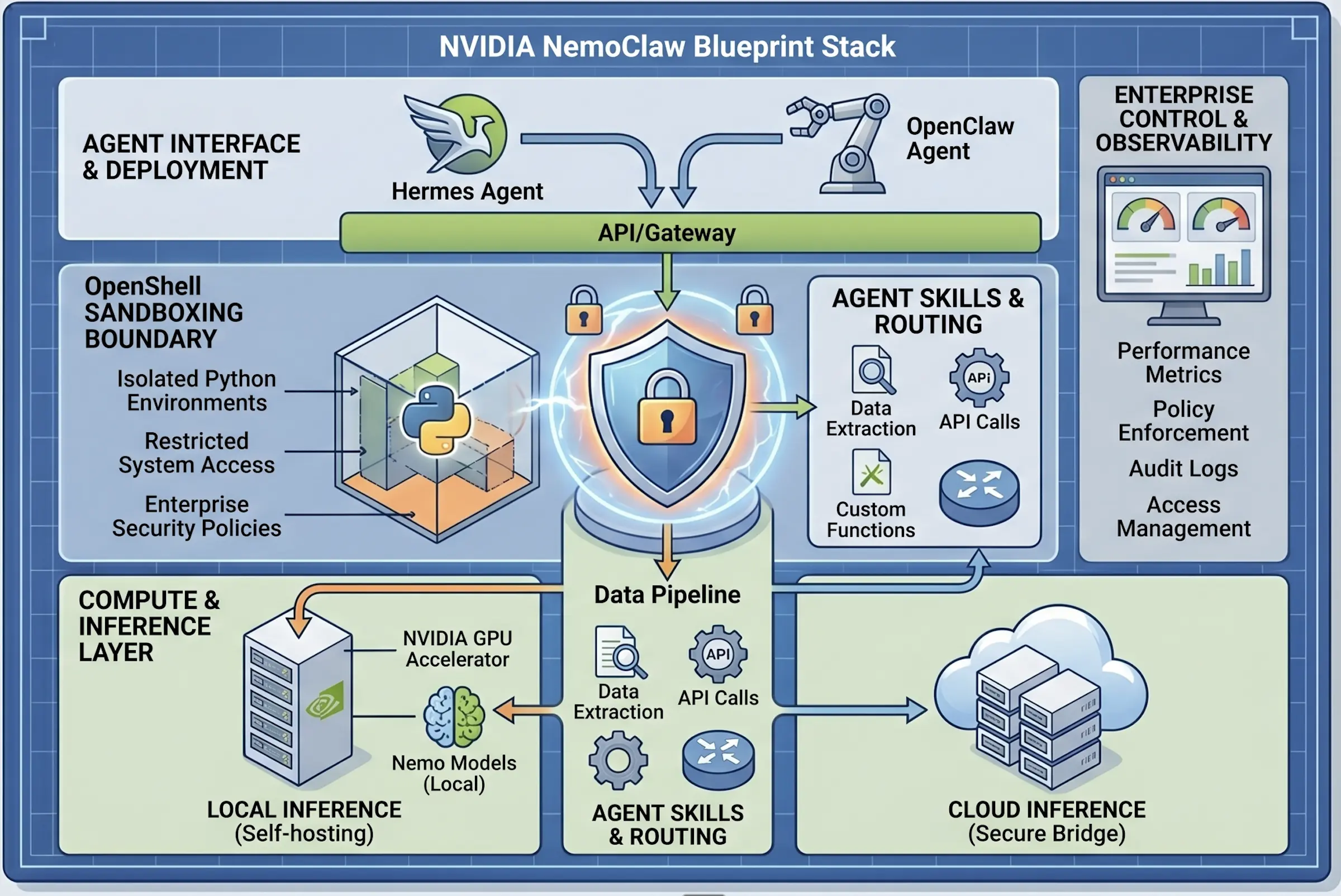
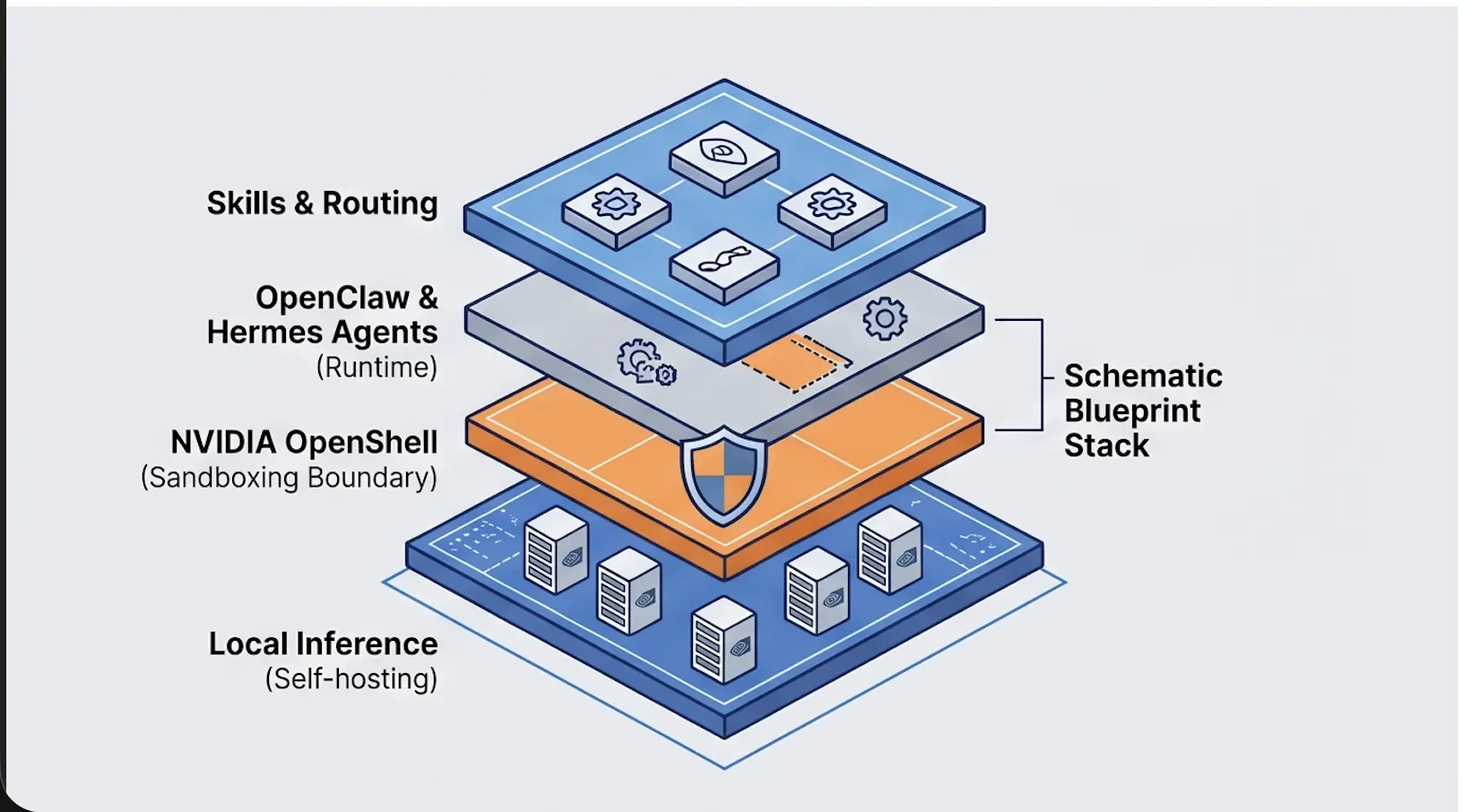
What Is NVIDIA NemoClaw? OpenClaw, Hermes, and Secure Agent Runtimes
A practical explainer on NVIDIA NemoClaw: the open blueprint stack for OpenClaw and Hermes agents, OpenShell sandboxing, local inference, skills, routing, and enterprise control.
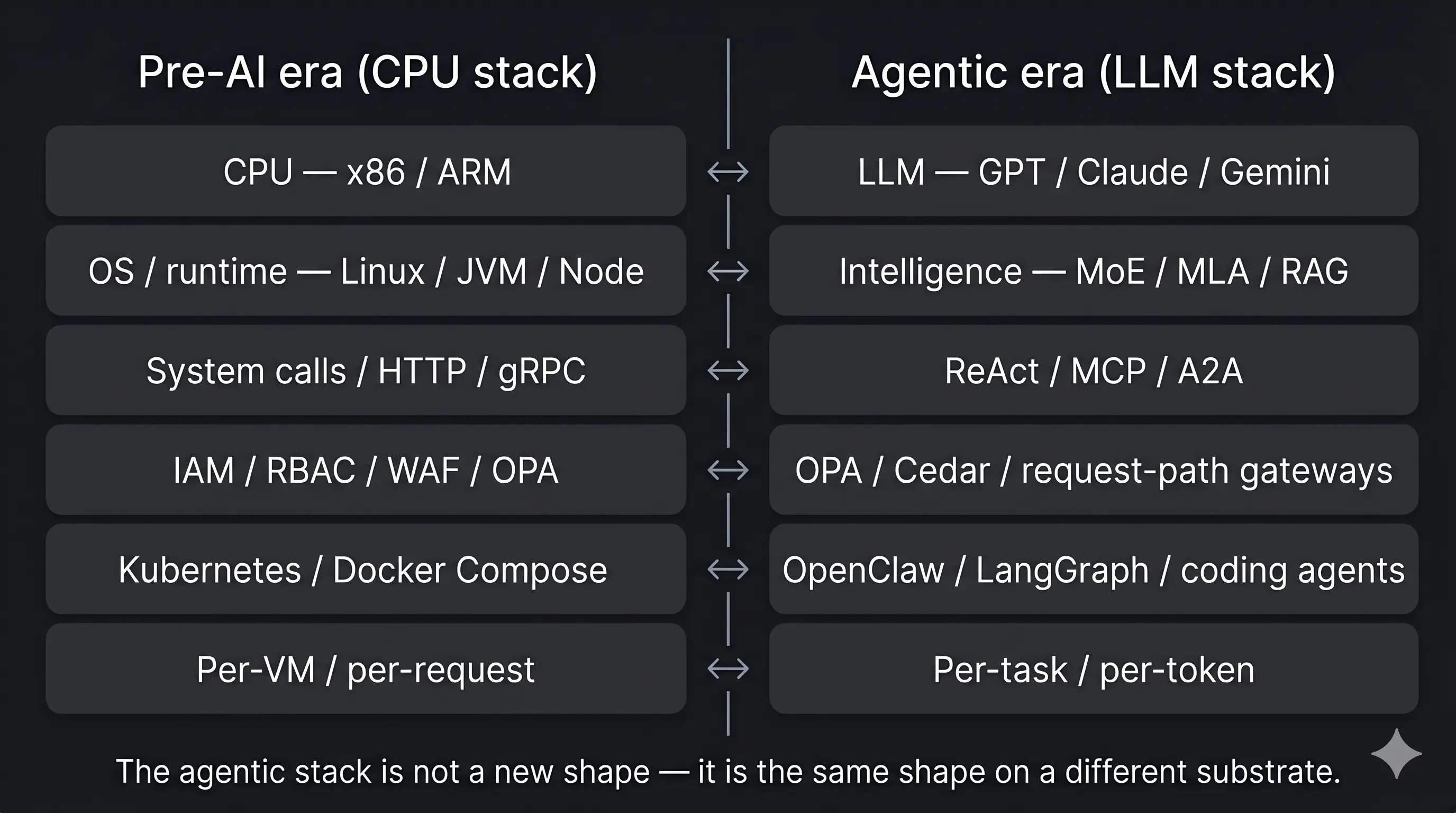
The Agentic Economy: Where Are We Heading?
The agentic economy has a structure now — six layers from silicon substrate to Economics, with direct parallels to the pre-AI CPU/OS/K8s stack. A field map of where it goes next and how to ride out the tokenomics gap.
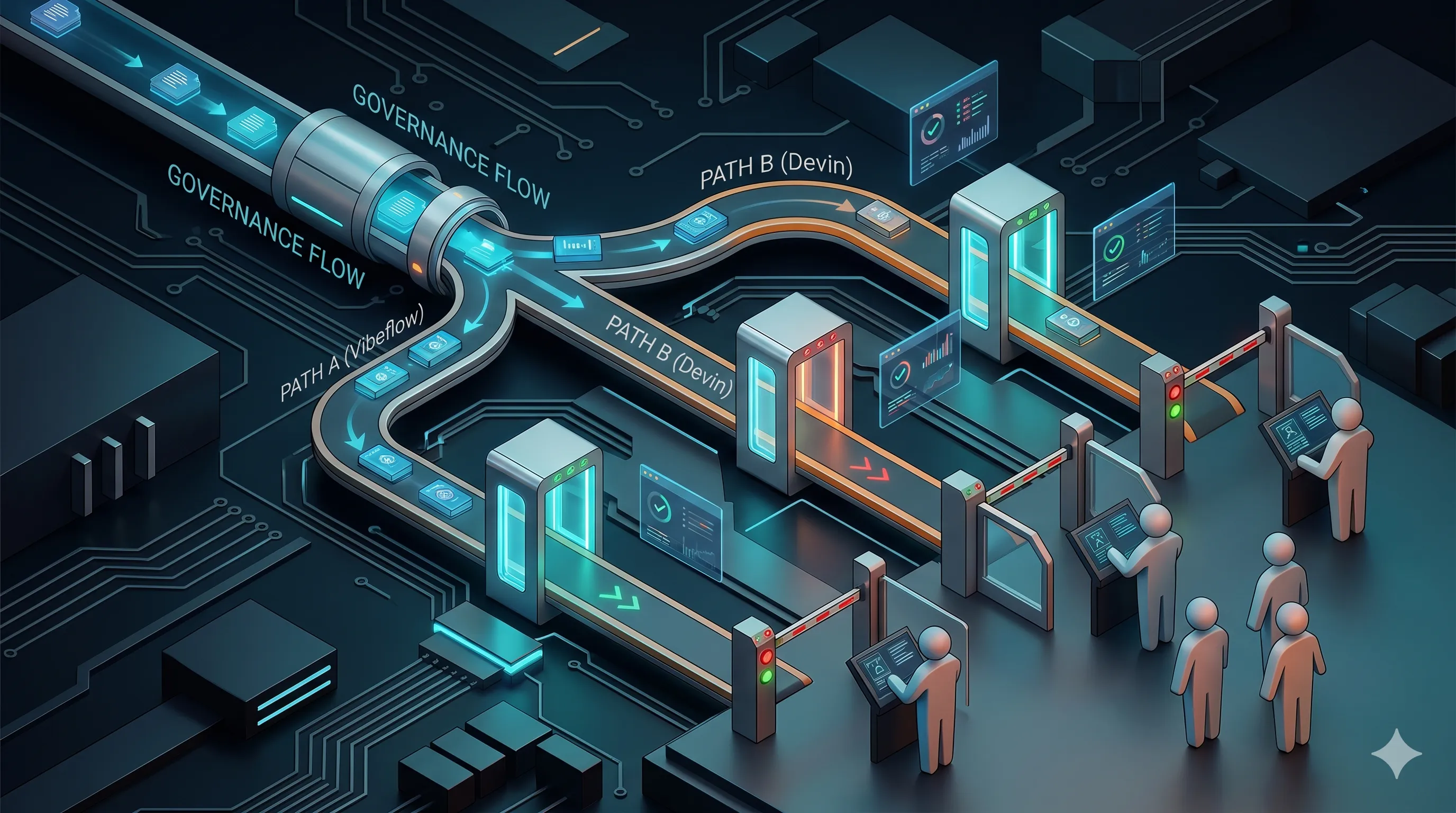
Compliance, Governance, and Review Gates: VibeFlow vs Devin vs Linear
When the auditor asks who built it and how, what does each AI development platform actually capture? Gate-by-gate and SOC 2 + NIST AI RMF mapping for VibeFlow, Devin, and Linear.
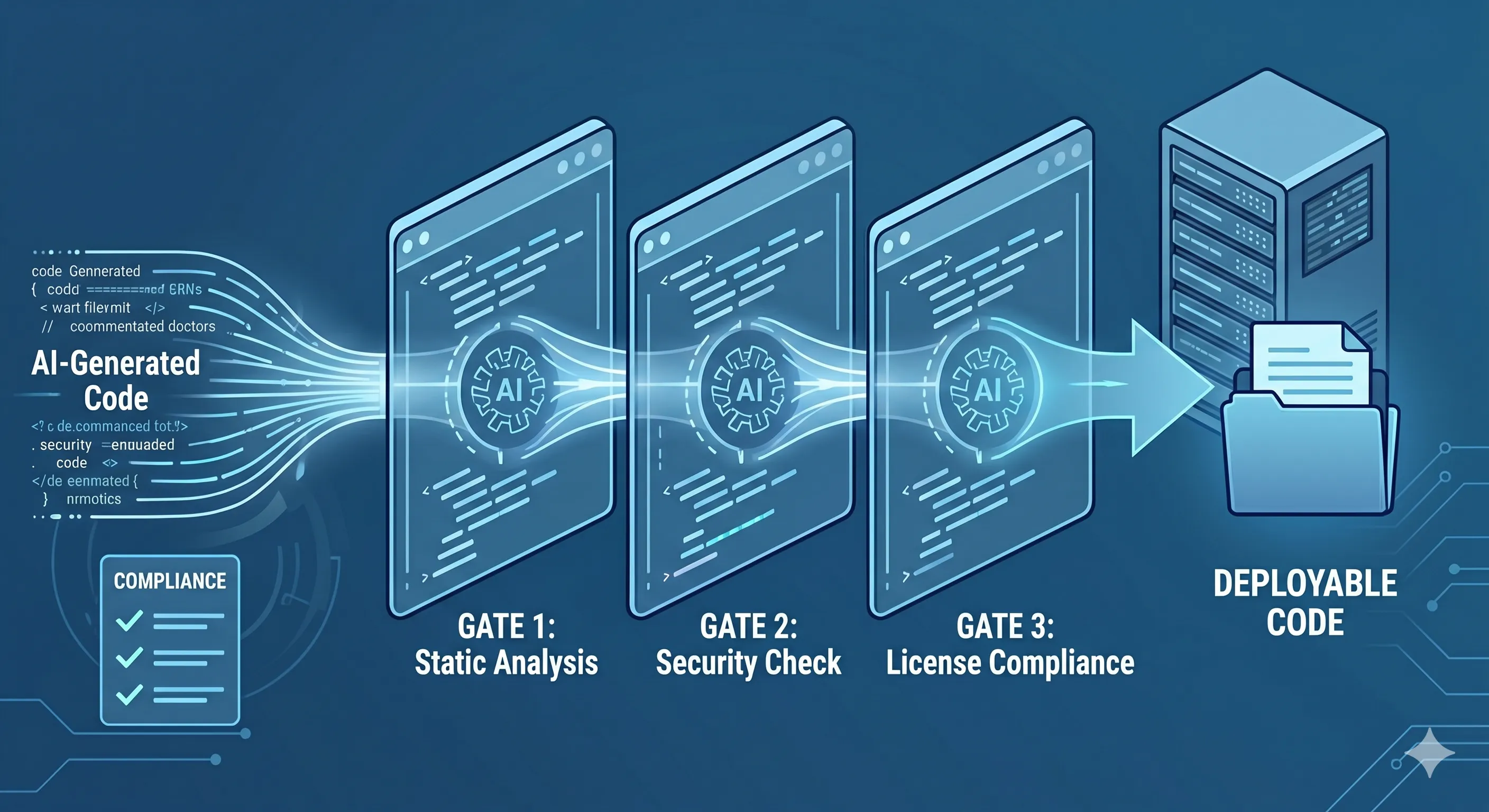
Quality Gates for AI-Generated Code: Automated Review and Compliance
AI-generated code slips through human code review at alarming rates. A four-gate pipeline — lint, security, coverage, and compliance — closes the loop before merge.
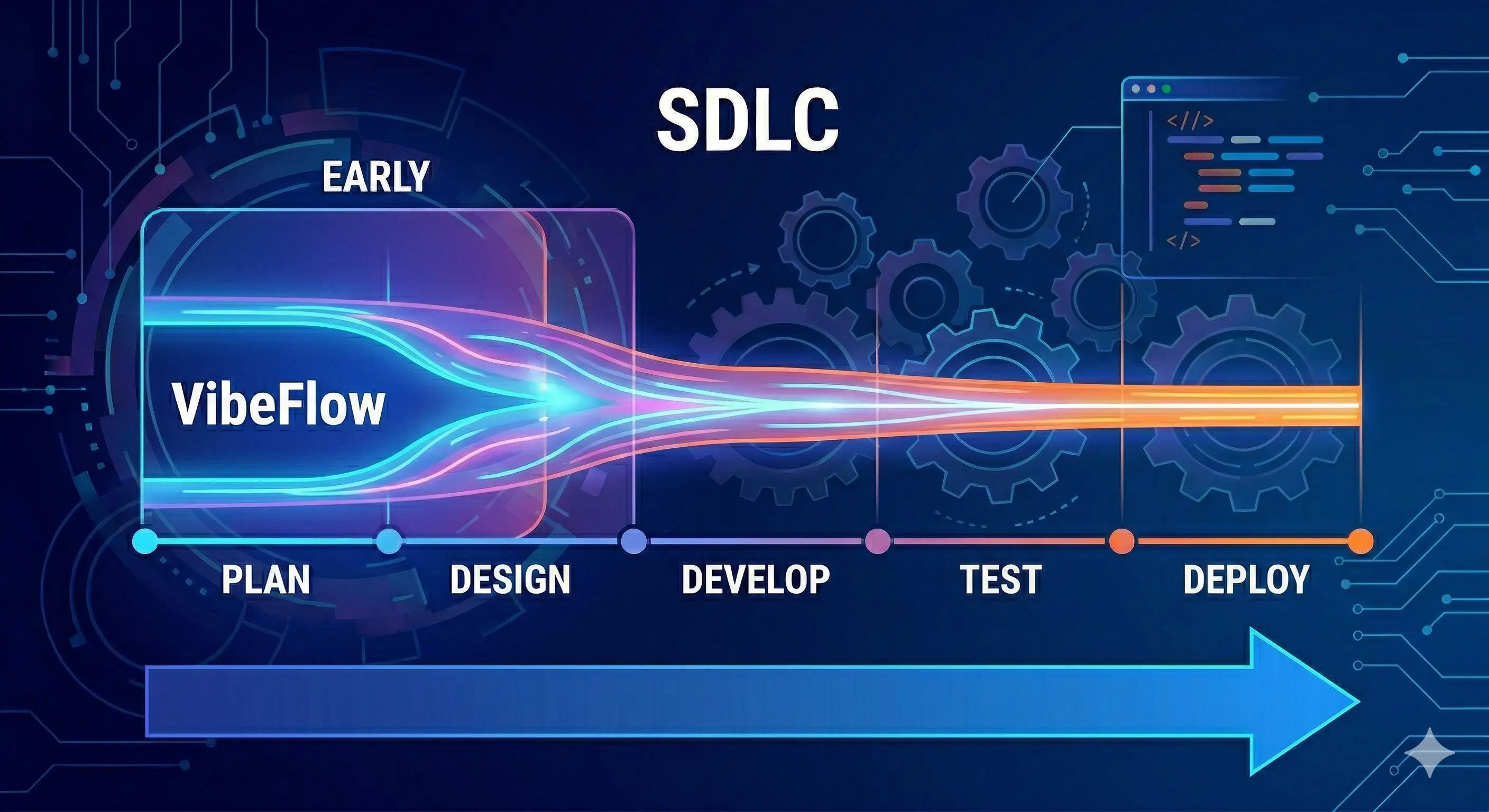
Vibecoding Shift-Left SDLC: Making VibeFlow Real for Teams
Shift-left means catching problems earlier — in design, not production; in code review, not incident response. Vibecoding makes shift-left possible at a new level of granularity. VibeFlow is the governance layer that enforces it.

Weekly AI Command: The Tech Launchpad (Week Ending April 4, 2026)
The first week of April 2026 has marked a definitive shift in the equilibrium of the AI industry. The tension between open-source accessibility and proprietary dominance has reached a boiling point. We are seeing a divergence: high-performance multimodal models are becoming available for local ex...

AI Coding at Scale: Governance Challenges Solo Tools Can't Solve
AI coding tools boost individual velocity but create organizational friction at scale. Here are the 5 challenges and the platform approach that solves them.
AI Governance Maturity Model: From Ad Hoc to Automated in 5 Levels
Most organizations are at Level 1 and don't know it. Here's a 5-level AI governance maturity model with a self-assessment checklist.

Why Enterprise Teams Outgrow Cursor and Devin
Solo AI coding tools boost individual velocity. But at scale, the governance gaps they create become bigger than the productivity gains.

CISO Guide to AI Agent Security: Threat Models for Code Agents
AI coding agents are autonomous actors in your codebase. Here are the 5 threat categories CISOs must address and the defense-in-depth controls that actually work.
AI Governance Frameworks Compared: NIST AI RMF vs EU AI Act vs ISO 42001
Compare three major AI governance frameworks side-by-side. Understand scope, enforcement, and how NIST AI RMF, EU AI Act, and ISO 42001 work together.
Building an AI Audit Trail: From Model Selection to Production
A practical guide to implementing AI audit trails. Learn the 5 layers of traceability every enterprise needs for AI-generated code.
Enterprise AI Risk Management: Beyond Checkbox Compliance
Move from reactive AI compliance to proactive risk management. A CISO's guide to the 4 AI risk categories and a 90-day governance playbook.
Weekly AI Command: The Recap (March 15-20, 2026)
The middle of March 2026 has brought the industry to a definitive crossroads. We are moving past the era of "move fast and break things" into a period defined by high-stakes friction between federal oversight, state-level legislation, and the Pentagon's demand for unrestricted access to frontier AI.
Weekly AI Command: The Tech Launchpad (March 15-20, 2026)
This was the week the AI industry stopped debating model intelligence and started fighting over who controls the desktop. Between a transformative open-source architecture release, Meta's aggressive move into local AI agents, and OpenAI's internal reckoning with product sprawl, March 15-20 made o...
What is OpenClaw? An Executive Overview & Governance Guide
OpenClaw is the fastest-growing open-source AI agent runtime, surpassing 250K GitHub stars. This executive guide covers its architecture, shadow AI risks, and how enterprises can govern local autonomous agents.
Weekly AI Command: The Recap (March 15, 2026)
The pace of AI development is no longer measured in months or quarters. It is measured in days. This week alone, we witnessed the release of two frontier-grade models, a geopolitical standoff involving the world’s most advanced LLMs, and a hardware pivot that signals a shift in the global compute...
Weekly AI Command: The Tech Launchpad (March 15, 2026)
The era of AI experimentation has officially closed. We have entered the era of execution.
The Hidden Risks of Vibecoding: Why Your Enterprise Operations Need Verifiable AI Governance
Vibecoding is the latest shift in software development. It feels like magic: prompting an LLM, watching code appear, and seeing a feature go live in minutes. It’s the ultimate "move fast" strategy. But for the modern enterprise, moving fast without a map is just a faster way to hit a wall.

From Vibes to Verifiable: The New Standard for AI Production Readiness with VibeFlow
Most enterprise AI initiatives today aren't failing because the models are unintelligent. They are failing because the execution is built on a foundation of "vibes."
The DNA of Modern AI: Text Encoding and Vector Databases Explained
Every AI application starts with a translation problem.
Coding Agents and Shadow AI in Your SDLC: What to Measure
Your developers are shipping faster than ever. That's the good news.

From Cursor to Copilot: The Enterprise Guide to Governing Agentic Coding Tools
Your developers are shipping code written by agents. Not suggested by AI: written, tested, and committed by autonomous systems that navigate your codebase, execute terminal commands, and fix their own bugs.
VibeFlow Framework: Turn Vibe Checks into Verifiable Enterprise AI
We’ve all seen the demos. A developer sits down, types a few sentences into a chat interface, and: magic: a functional dashboard appears. The industry has dubbed this "Vibe Coding." It’s exhilarating, fast, and feels like the future.
DIY is Dead: Why You Need an AI Governance Platform
DIY AI governance breaks at scale. Learn why enterprises need a dedicated platform for centralized visibility, automated policy enforcement, and audit-ready compliance.
The Production Readiness Checklist for Enterprise AI
Not to slow pilots down—just to stop pretending production is a copy/paste step.
AI Governance Platform Vs DIY Policies: Which Is Better For Your Enterprise?
Your enterprise is deploying AI. Fast. The question isn't whether you need governance: it's how you're going to enforce it.
Check Your AI IQ: Part 3 - The Agentic Frontier
Agentic AI is the most powerful and dangerous layer of the modern AI stack. Learn how autonomous agents work, why governance is critical, and how enterprises can control them.
AI Pilots Don't Fail on Intelligence. They Fail on Execution.
95% of enterprise generative AI projects fail to reach production. The technology works. What fails is the governance, integration, and operational infrastructure that turns a demo into a production system.
Check Your AI IQ: Part 2 - The Predictive AI Powerhouse
Predictive AI demands clean, structured, historical data. Without data sovereignty, enterprises get noise, false confidence, and expensive mistakes. Learn where predictive AI delivers real value.
Context: The Secret Life of LLMs
Every conversation with an LLM starts from scratch. Understanding context windows, stateless architecture, memory systems, and context graphs is the key to getting real enterprise value from AI.
Check Your AI IQ: Part 1 - Decoding the Modern AI Stack
Machine learning, generative AI, predictive AI, and agentic AI form the modern enterprise AI stack. Understanding each pillar is the first step to governing them effectively.
Why Enterprises Need AI Governance Now More Than Ever
As AI adoption accelerates, organizations face increasing risks without proper governance frameworks. Learn why AI governance is essential for success.
Introducing AXIOM: Taming the Enterprise AI Chaos
AI adoption is accelerating faster than ever, but so is the chaos it creates. Today, we announce AXIOM - the platform built to bring order to enterprise AI.
Weekly governance insights for engineering leaders
Read the patterns behind governed AI delivery, then turn them into tracked workflows with Axiom Studio.
Explore VibeFlow