AI Agents
20 articles tagged "AI Agents"
Explore our collection of articles about ai agents. These posts cover practical insights for enterprise AI governance, compliance, and infrastructure teams.
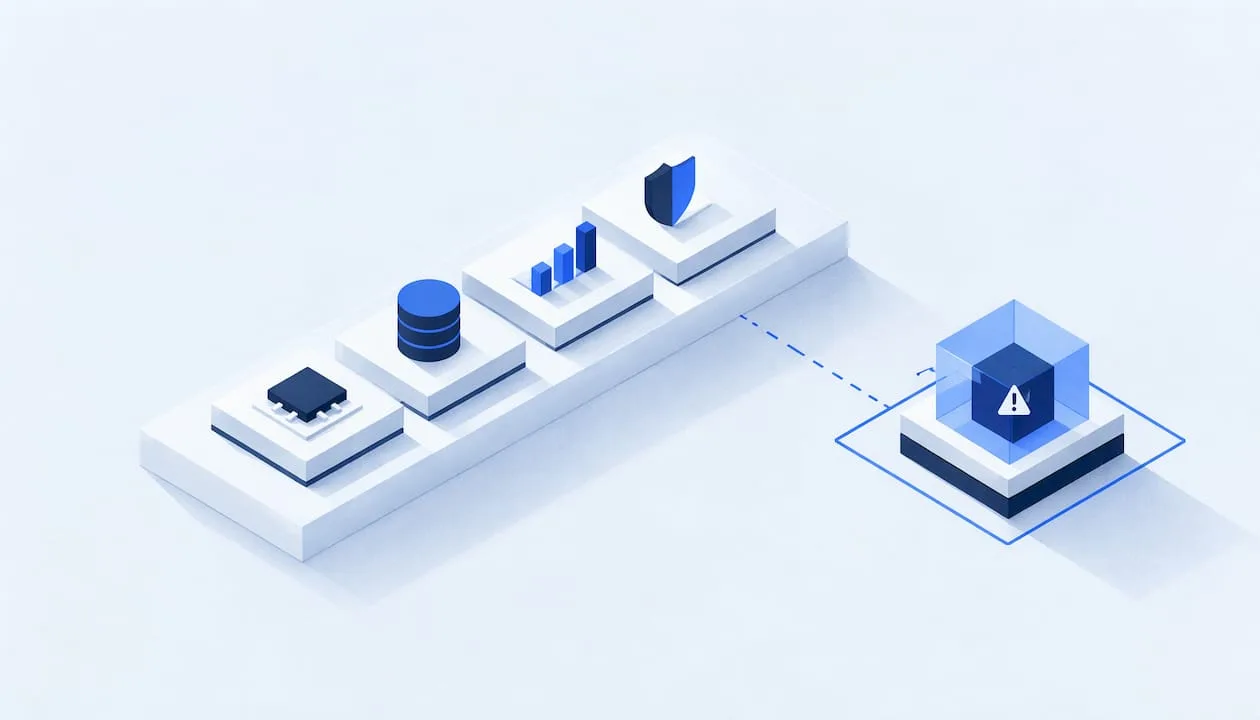
AI Incident Response: A Playbook for Teams Shipping AI
How to prepare for, detect, contain and learn from AI incidents: logging, narrow containment, human oversight, EU reporting clocks and what software must do.

AI Identity Management: How to Govern Agent Access
AI identity management gives every AI agent its own verifiable identity, scoped access and audit trail. Learn the components, lifecycle and first steps.
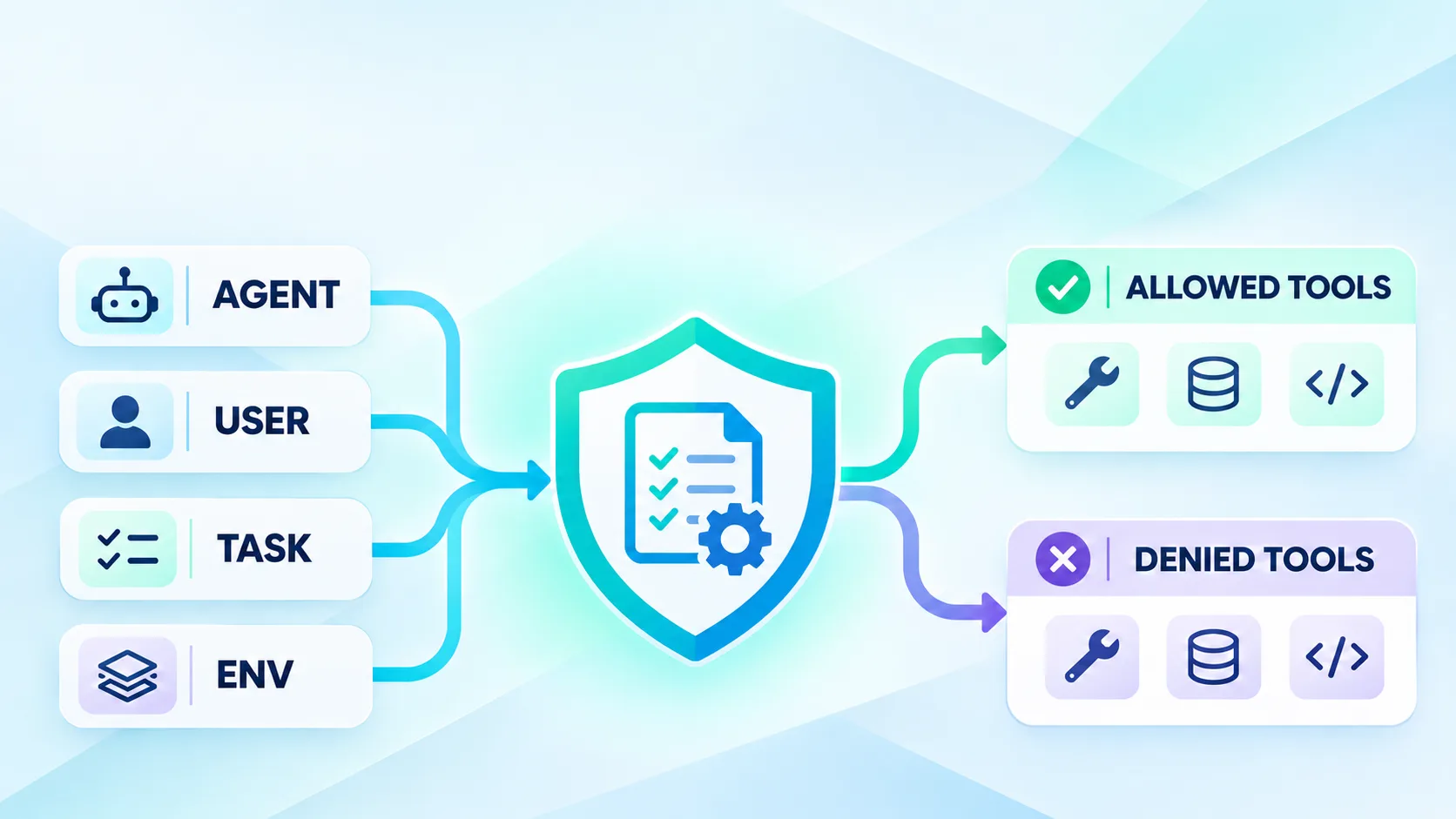
MCP Tool Policy by Agent, User, Task and Environment
Build least-privilege MCP tool rules by agent, user, task and environment, with approval gates and denied-action tests.
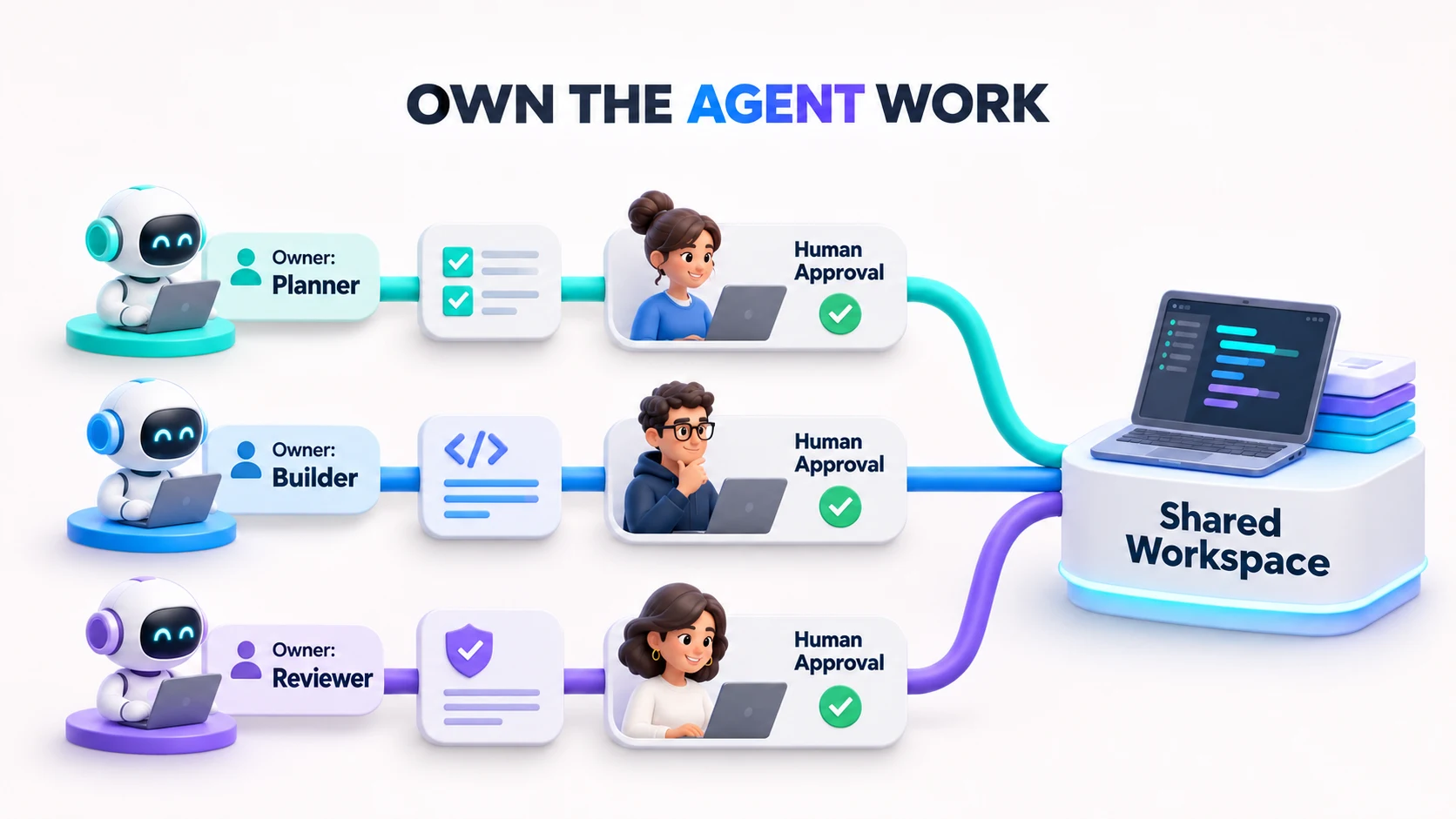
This Week in AI: Shared Agent Workspaces Need Clear Ownership
Cursor, Gemini, Devin, and Factory show why teams need owners, access limits, cost controls, and human approval for parallel agent work.
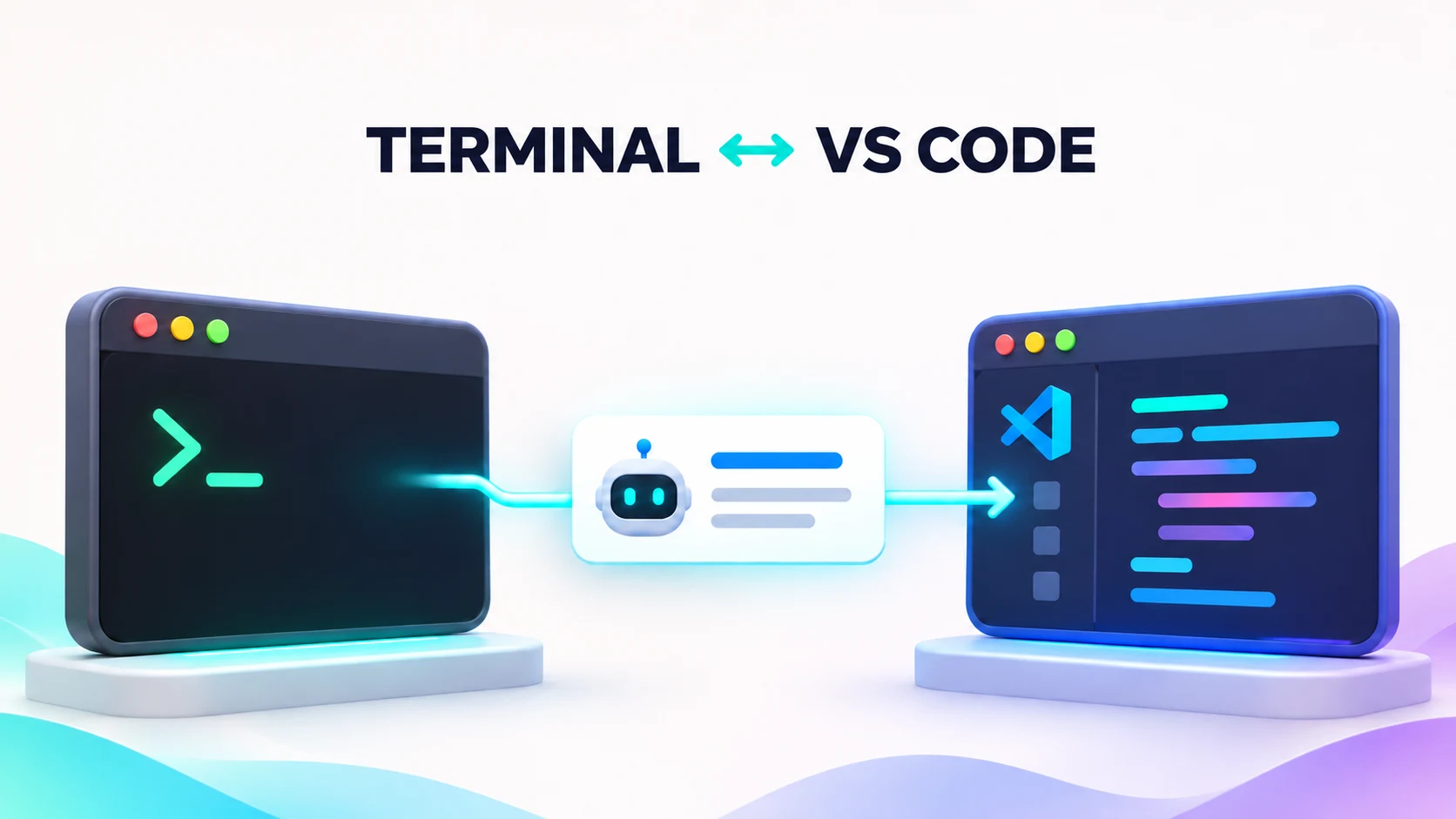
Run the Same Agent Task from Terminal and VS Code
Learn how to move agent work between a terminal and VS Code without losing ownership, logs, or task state.
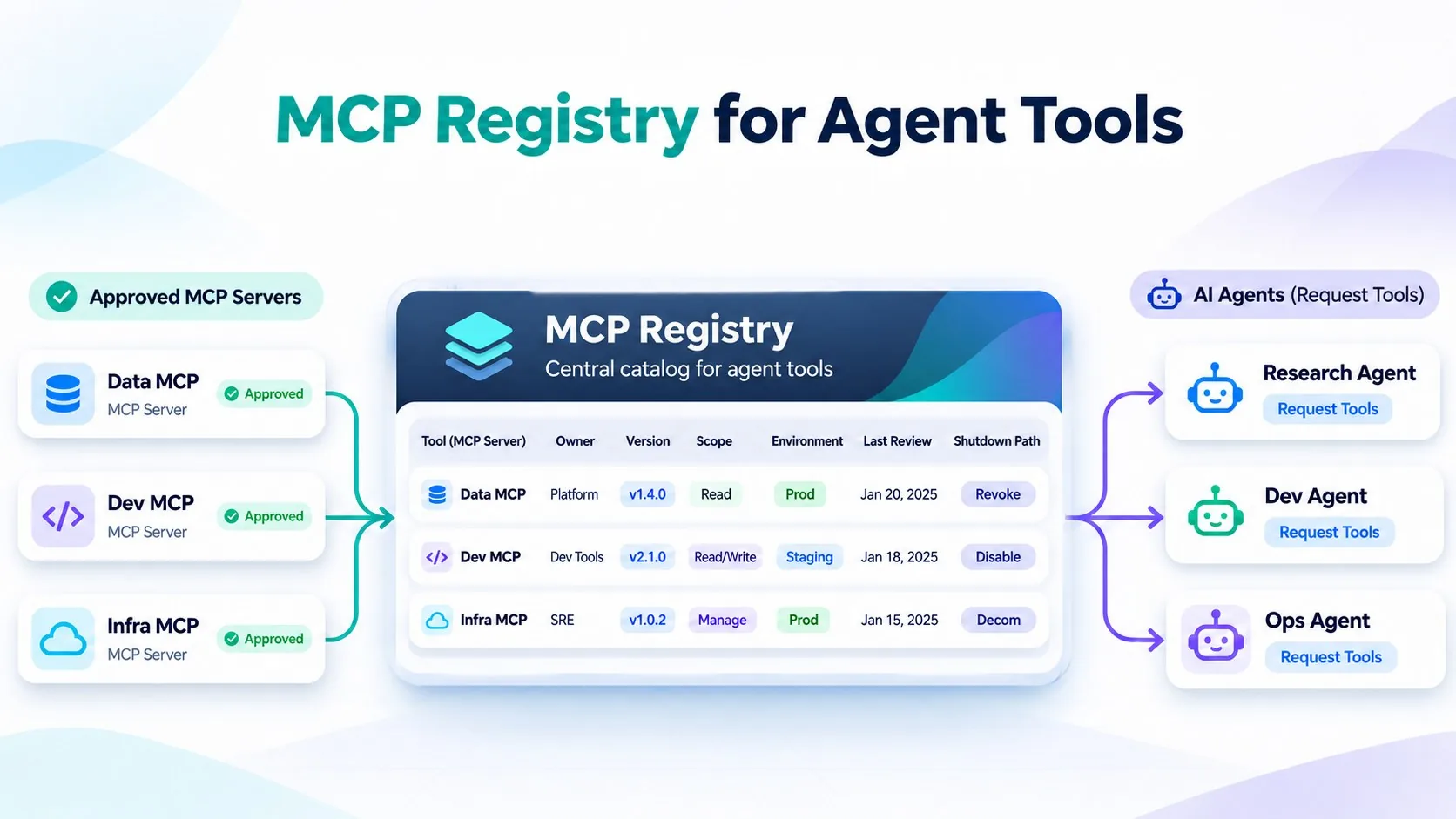
Build an MCP Registry Before Agent Gets Tools
Create a simple MCP registry that records owners, versions, tools, access, approvals, reviews, and a safe shutdown path.
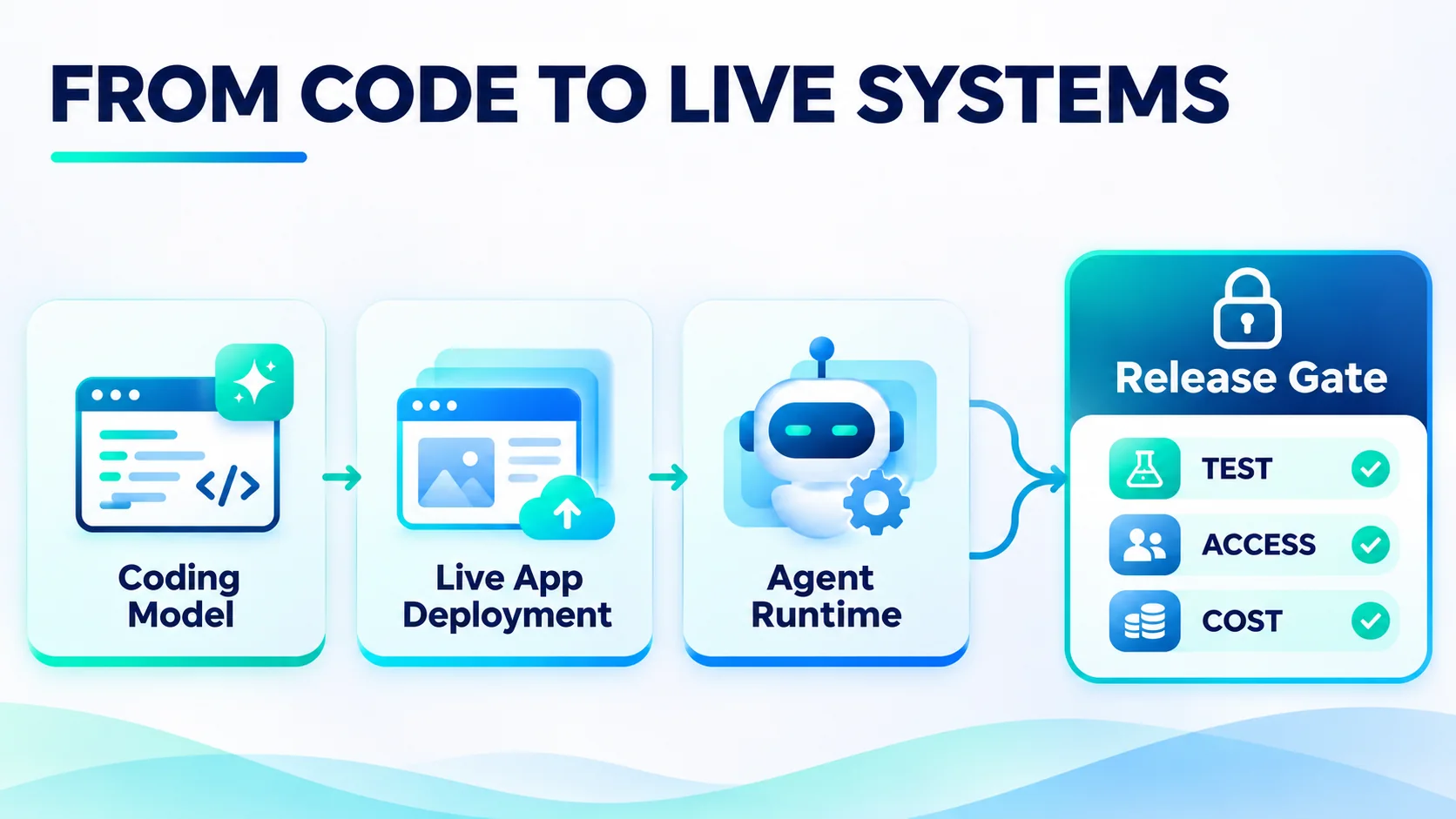
This Week in AI: Coding Agents Move from Code to Live Systems
Cursor, Cognition, and Factory pushed coding agents closer to live systems. See what changed and what teams should test next.
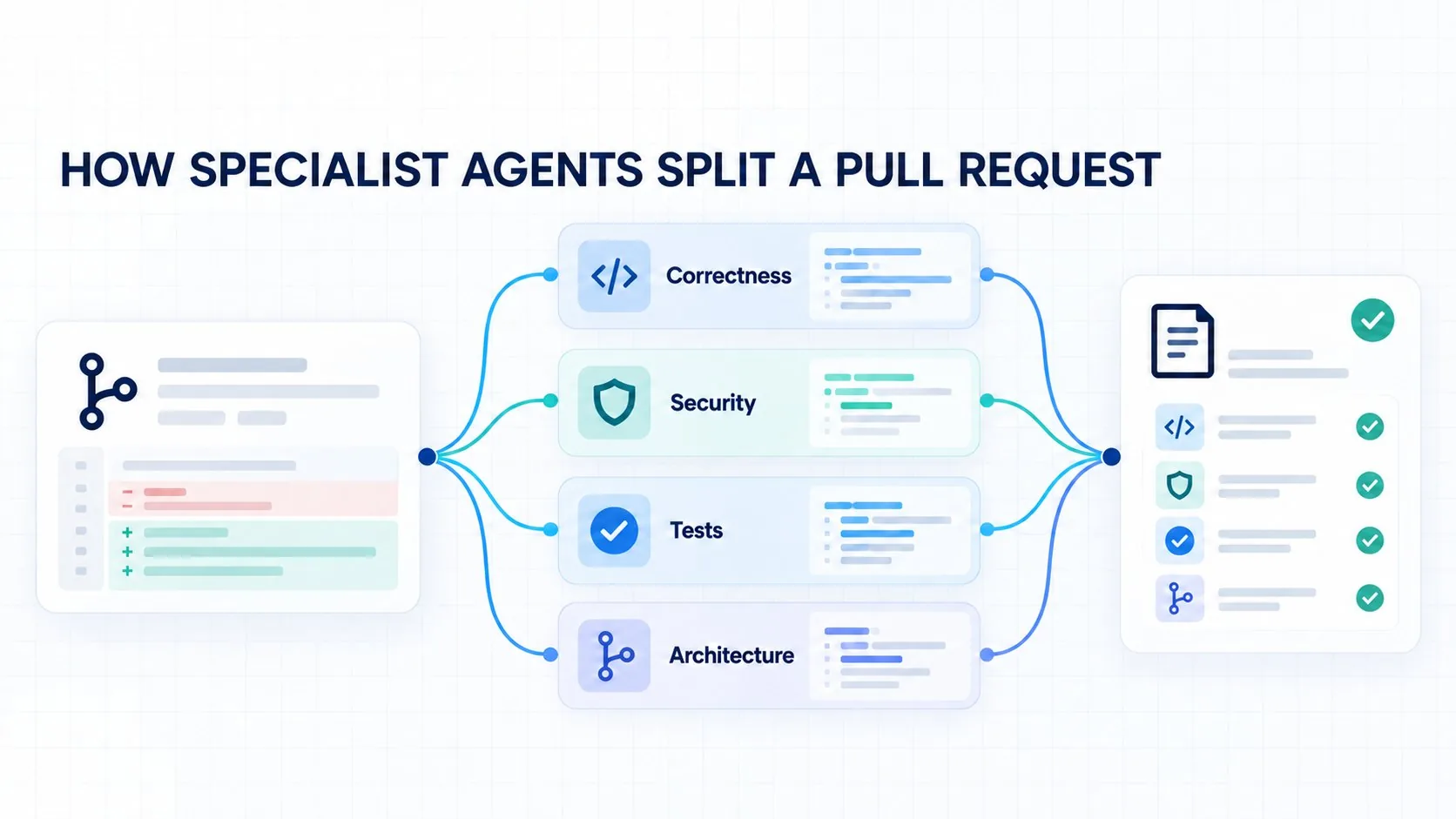
How Specialist AI Agents Split a Pull Request for Code Review
Learn how specialist AI agents split a pull request into correctness, security, test, and architecture reviews, then merge only evidence-backed findings.
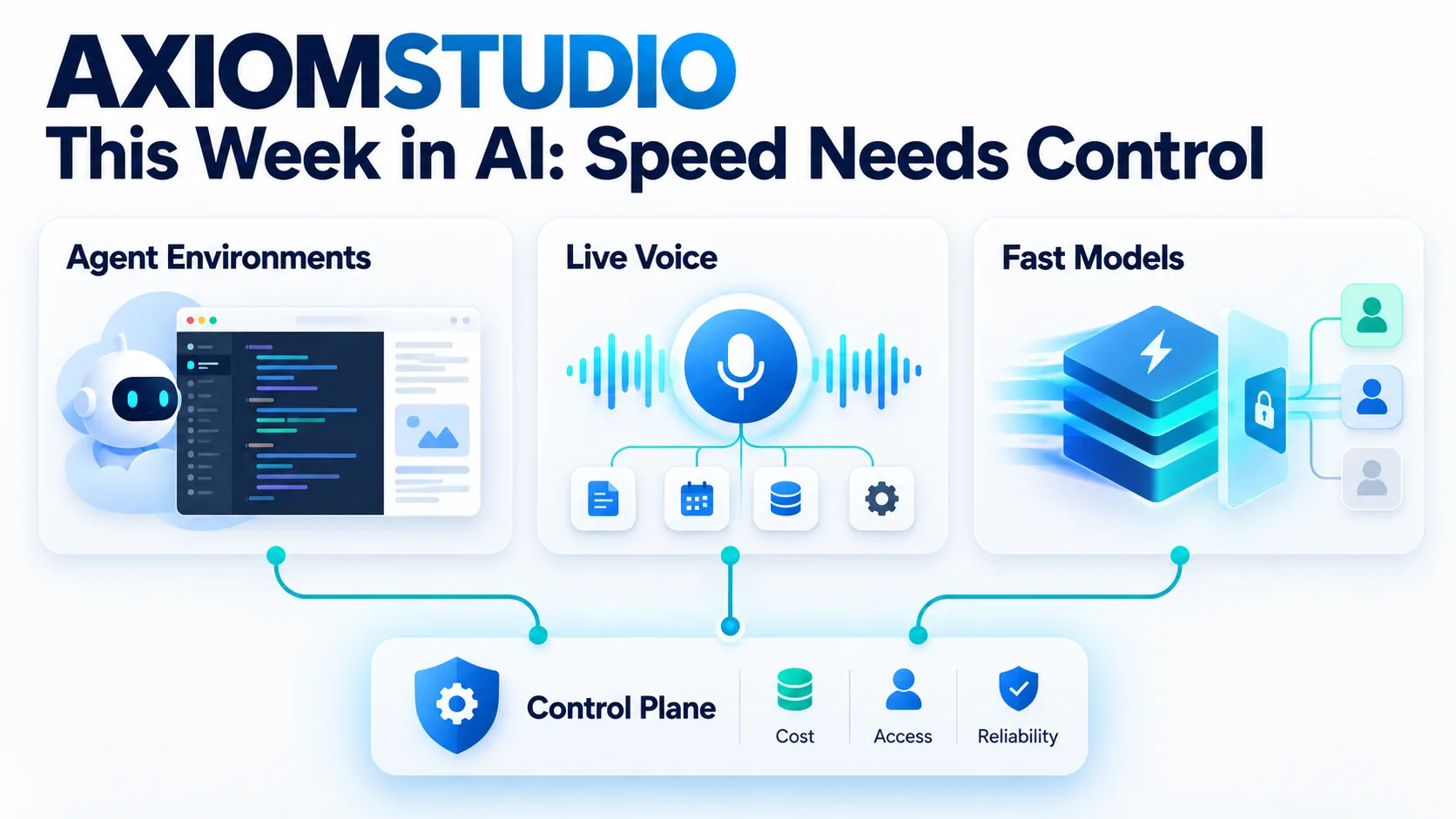
This Week in AI: Speed Needs Control
Cursor expanded cloud agent environments, OpenAI added GPT-Live voice and Agents API tools, and Anthropic shipped API, access and fast-mode changes. Here is what AI teams should test before rollout.
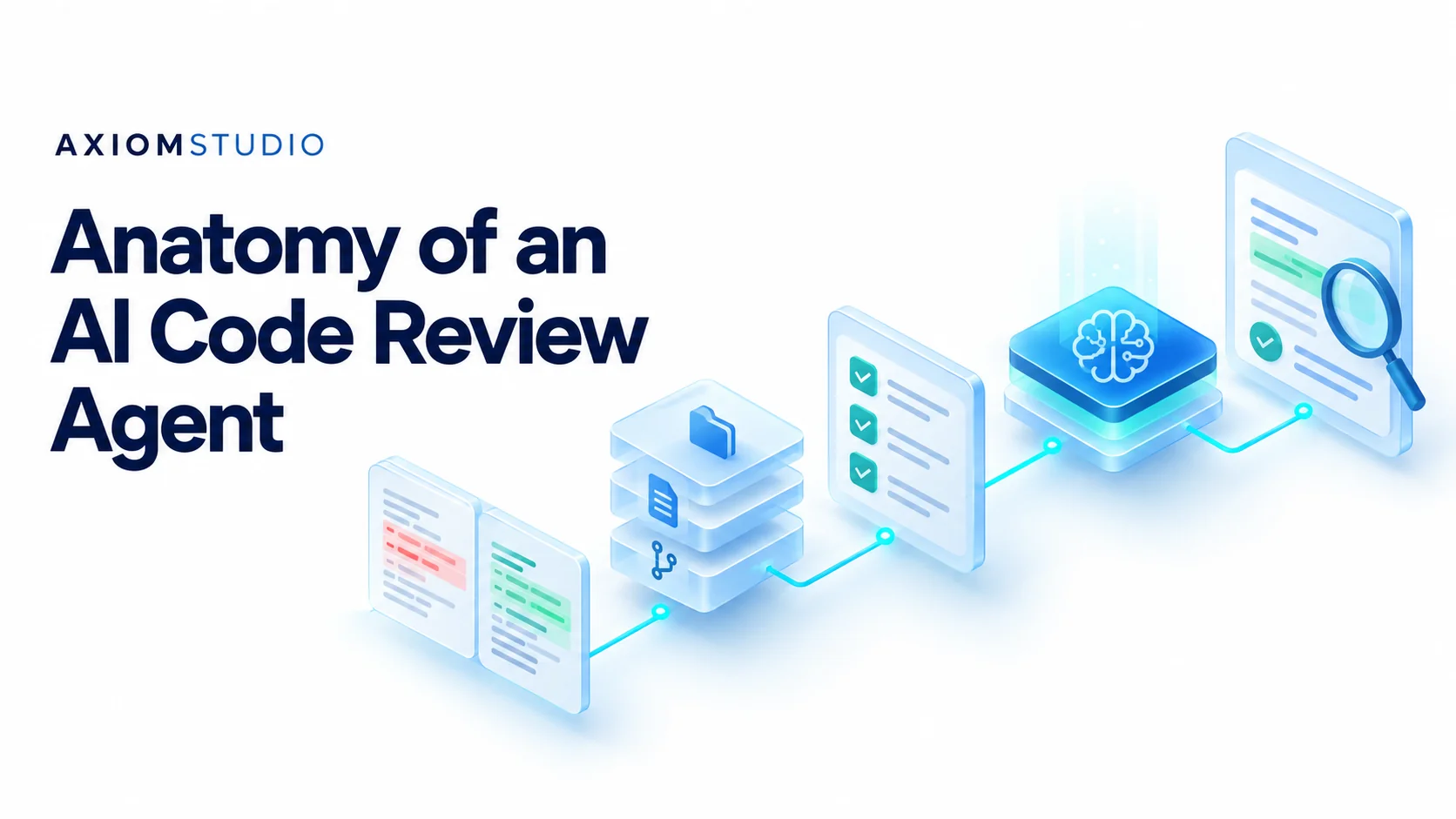
Anatomy of an AI Code Review Agent
See how an AI code review agent reads a diff, gathers context, applies rules, runs checks, and turns findings into evidence a human can verify.
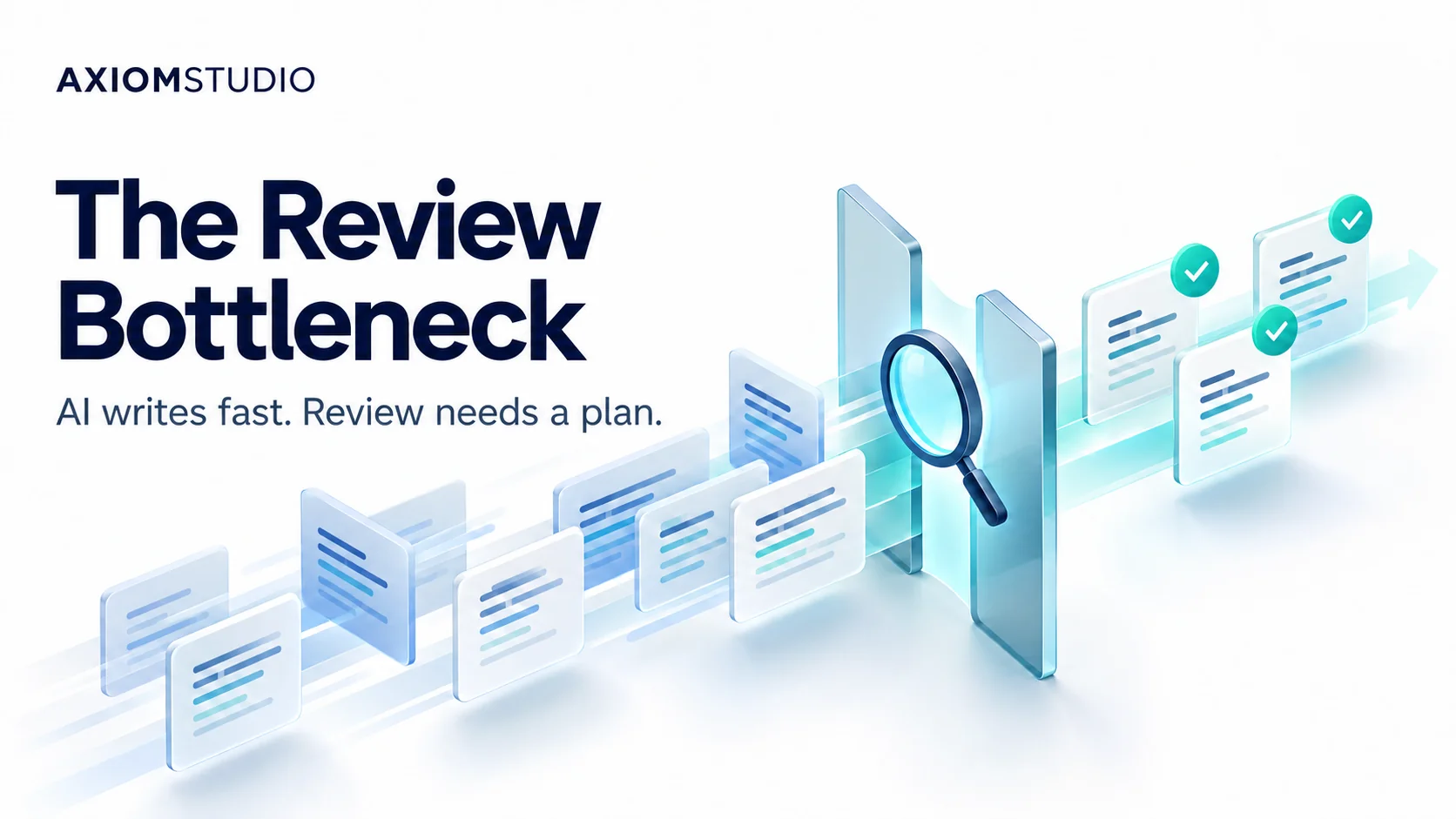
The Review Bottleneck: AI Writes Code Faster Than Teams Can Review It
AI coding agents open pull requests faster than people can review them. Learn how to measure the review queue in stages, limit open work, set review gates for people and agents, and track cost per accepted change.
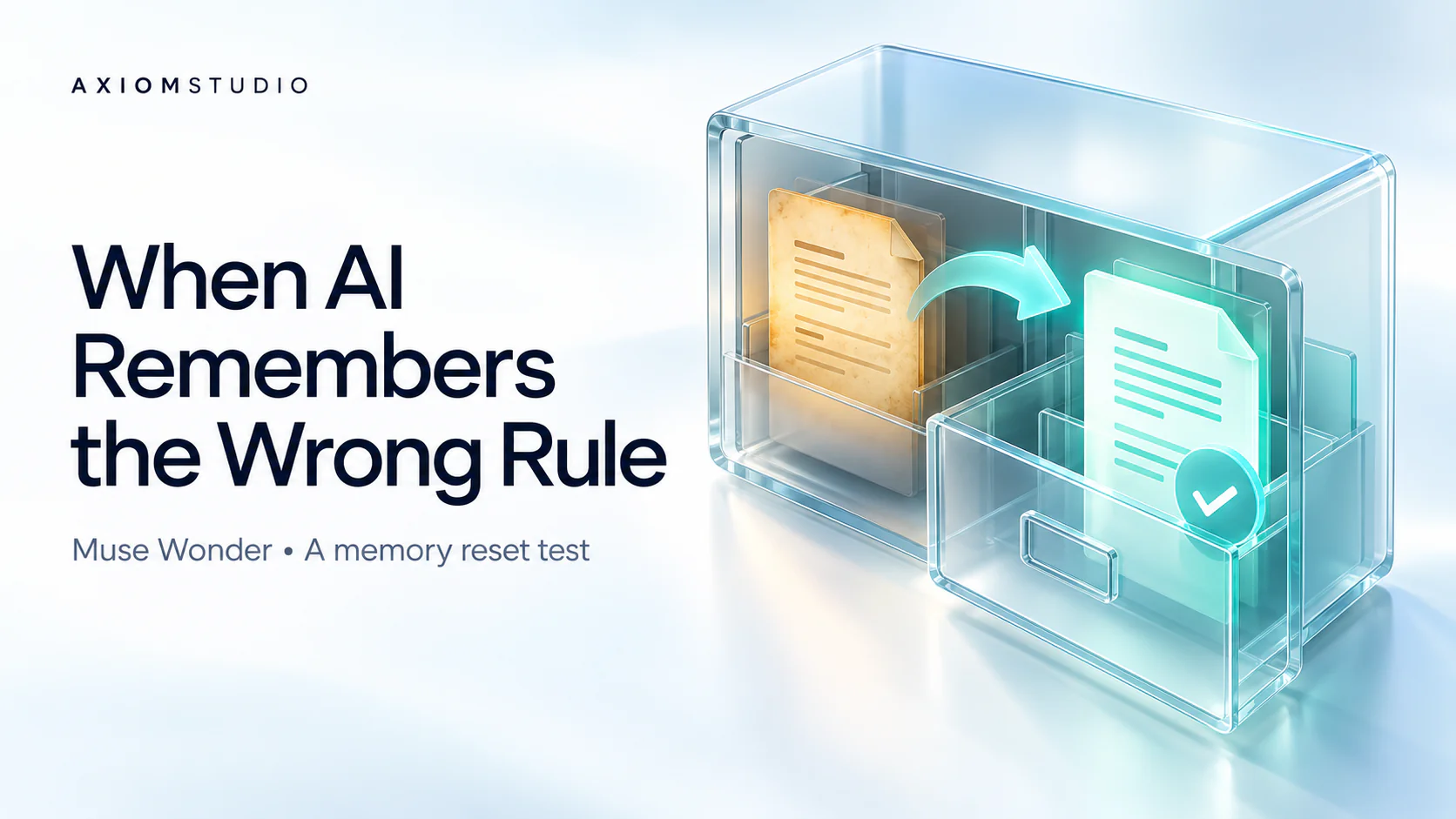
Muse Wonder: When an AI Agent Remembers the Wrong Rule
A test plan for Muse Wonder's Active Memory: change a repo rule, keep a stale saved note, check what /new and /clear reset, and estimate API cost.
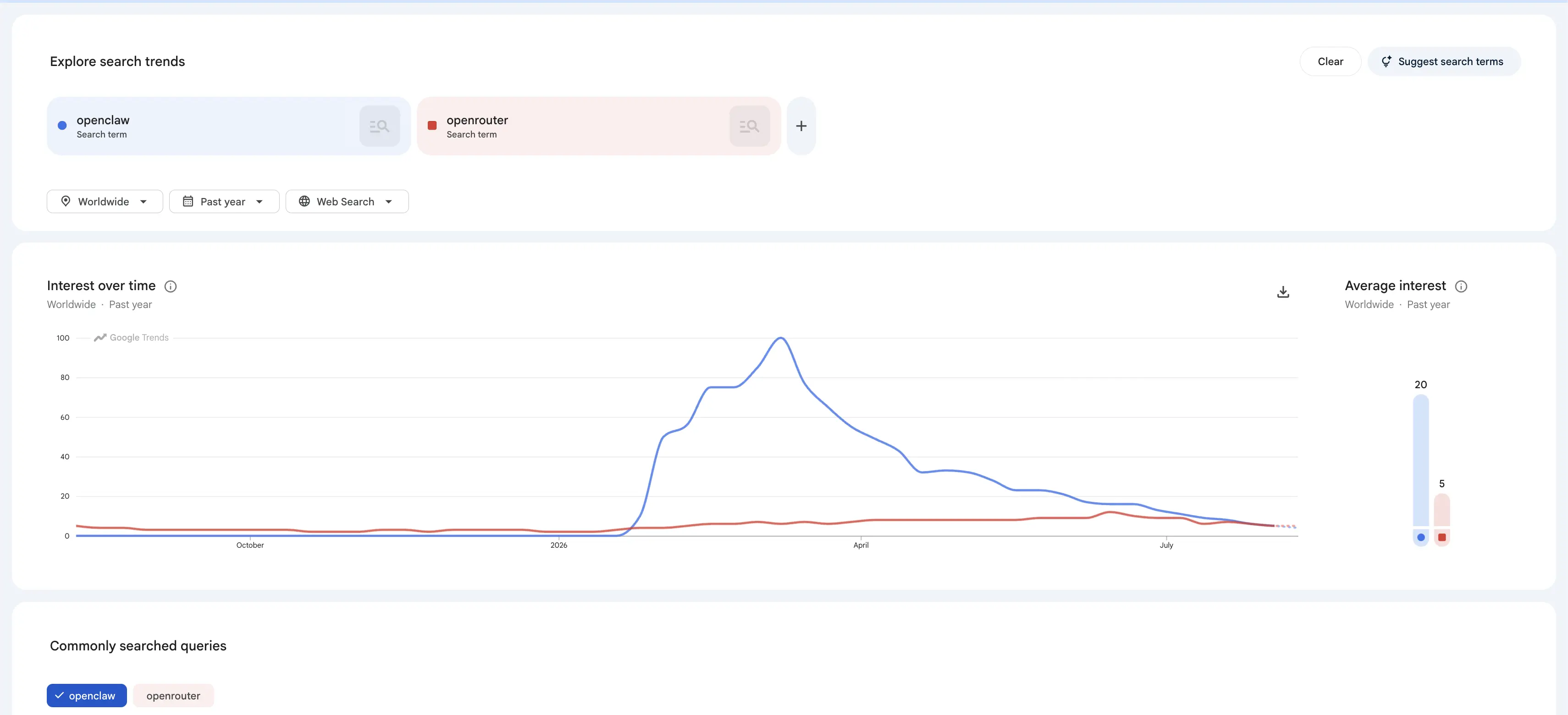
OpenClaw and OpenRouter Search Interest Is Falling. Is AI Trust Falling Too?
Google Trends shows cooling interest in OpenClaw and OpenRouter. We separate what the charts show from what they cannot tell us about AI trust.
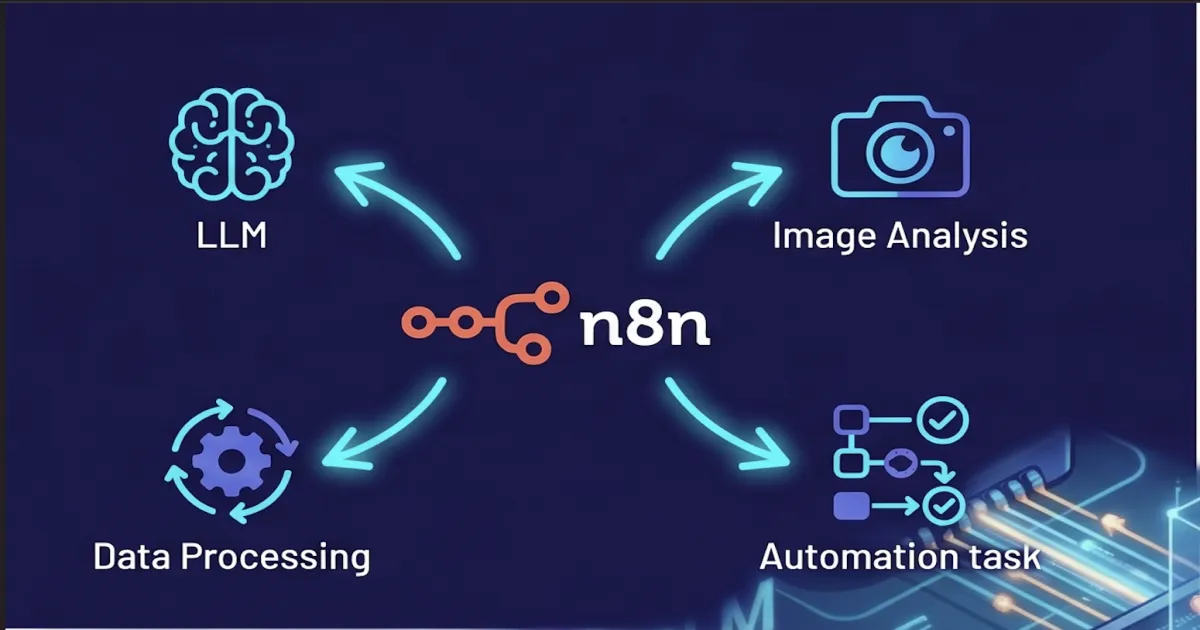
n8n for AI: What It Is and Why It Suddenly Matters
n8n started as an open-source Zapier alternative. Then 2024 happened, and it became one of the most-downloaded AI orchestration tools on the planet. Here is what changed and where it fits in an enterprise stack.
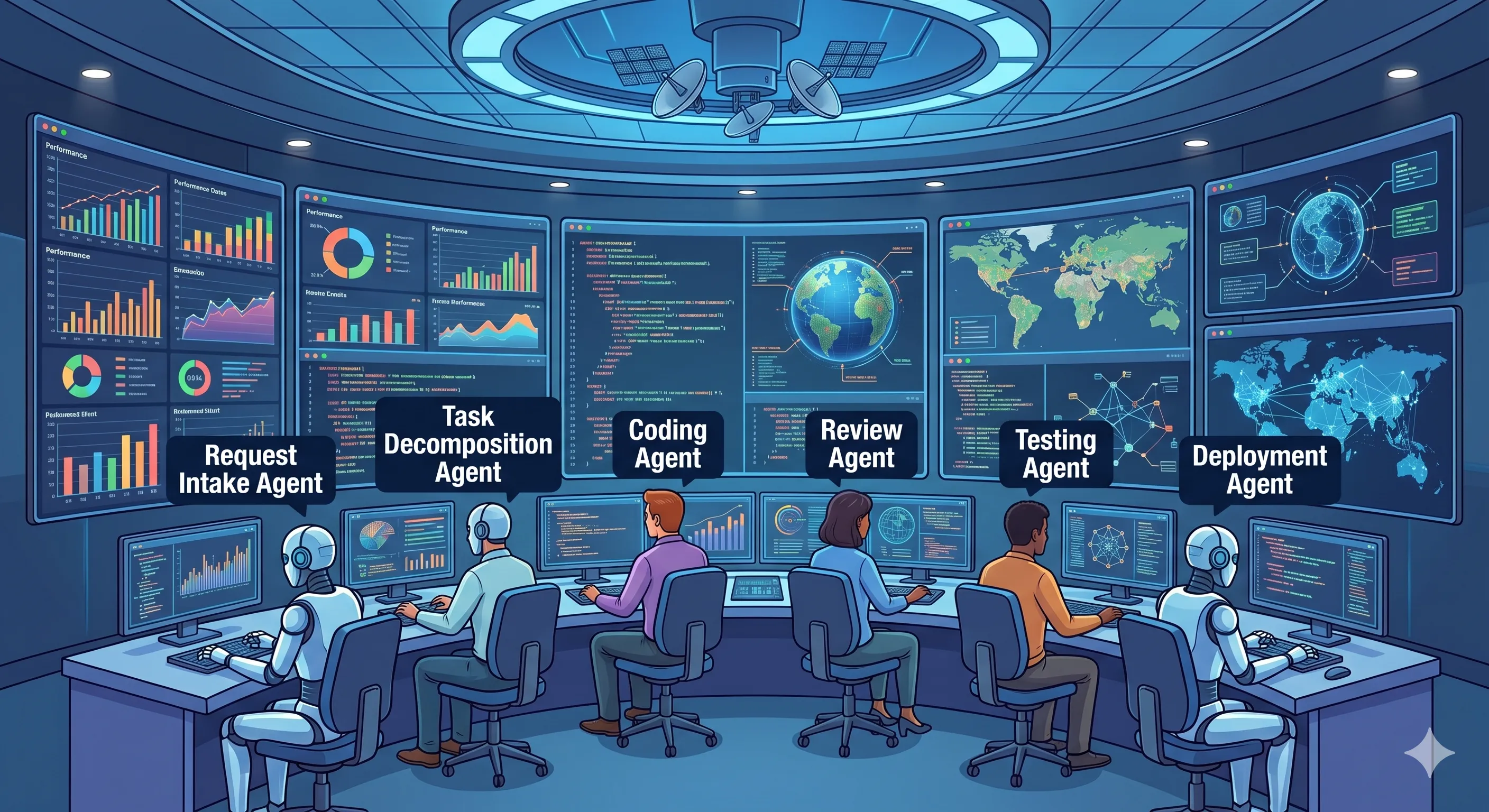
Agent Workflows in Enterprise Software Development
Single-agent prompting got you a productive autocomplete. Multi-agent workflows turn coding agents into a coordinated team — and that's a different engineering problem.
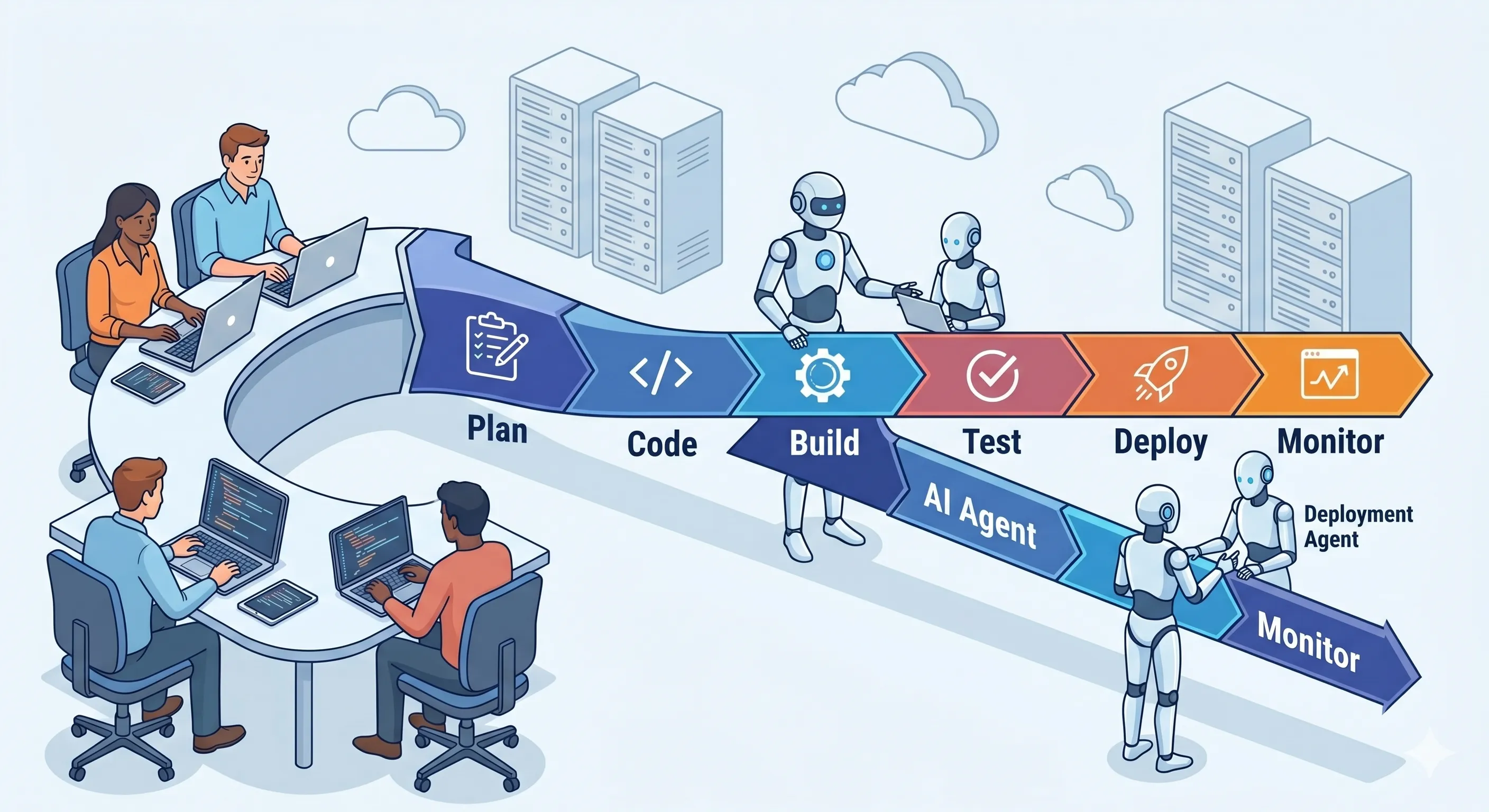
Integrating AI Agents into Your Existing DevOps Pipeline
You don't need to replace GitHub Actions, Jenkins, or your Jira workflow to adopt coding agents. Here's where agents plug in — and where the governance layer has to live.

The Agent-Team Model: PM, Architect, Developer, QA, Security as Specialised Roles
Software has roles. Agent teams should too. Concrete role definitions, typed handoffs, and why specialisation outperforms generalism for enterprise AI software development.
AI-Native SDLC: Automating Beyond CI/CD
CI/CD automated the last mile of software delivery. AI-native SDLC automates the first mile — design, implementation, and review.
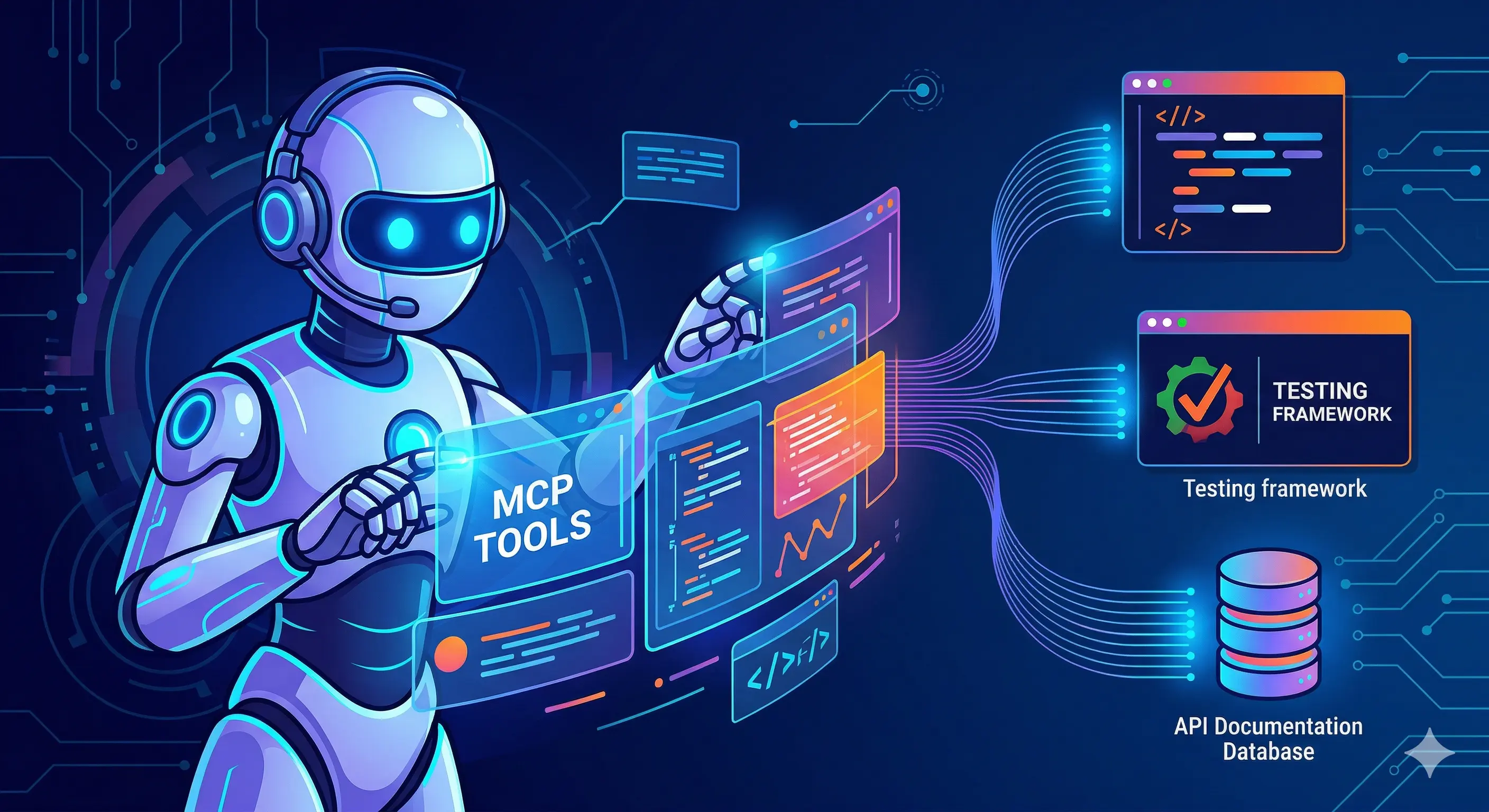
How Vibecoding Agents Leverage MCP Tools
Vibecoding agents don't just write code — they use MCP tools to read files, run tests, query APIs, and push commits. Here's how agents chain MCP tool calls to accomplish real development tasks.
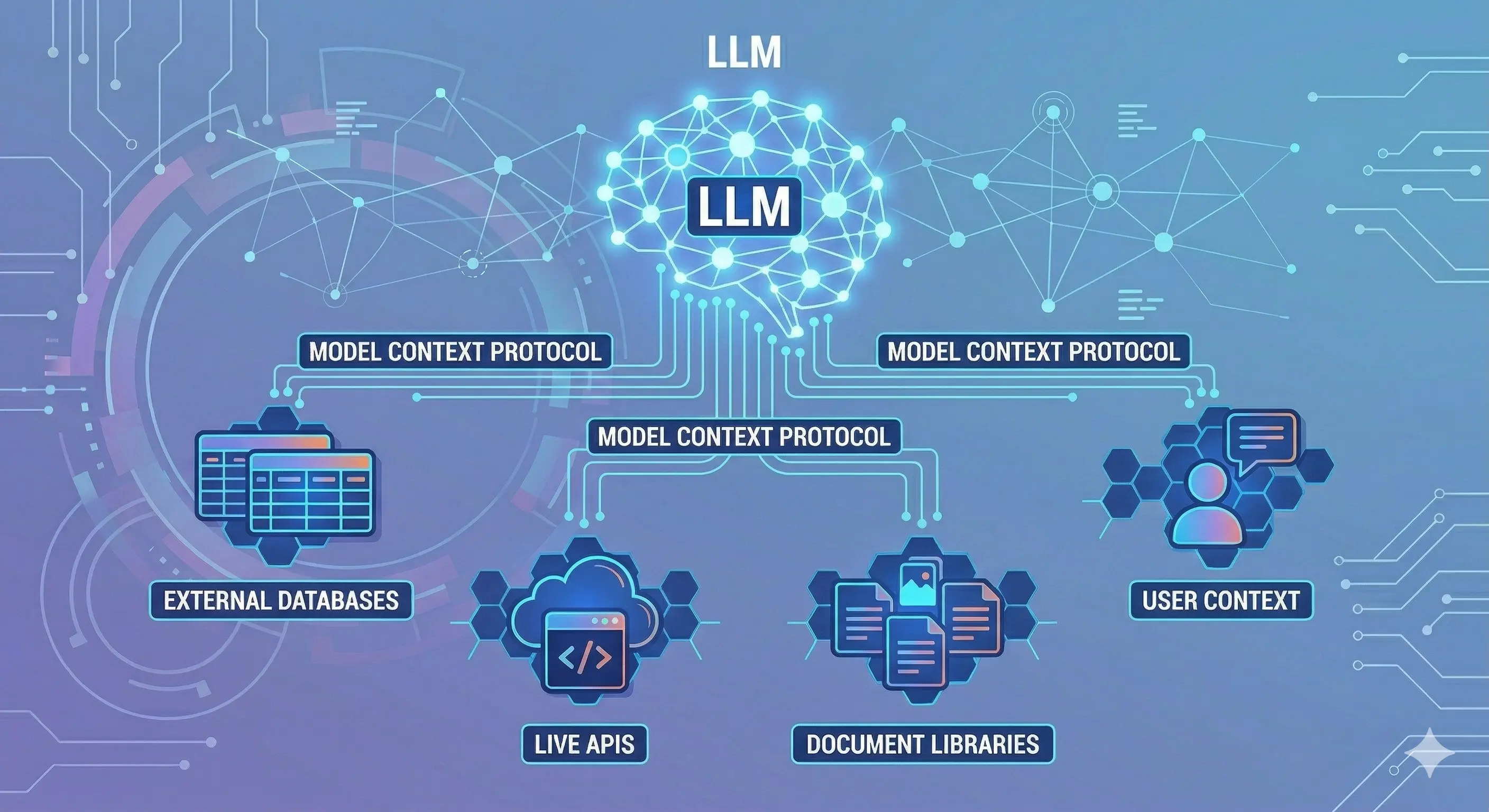
What is MCP? How LLMs Use the Model Context Protocol
A technical deep dive into the Model Context Protocol — the open standard that lets LLMs discover and invoke tools. Learn the architecture, JSON-RPC transport, and the exact tool-call loop that powers AI agents.
Weekly governance insights for engineering leaders
Read the patterns behind governed AI delivery, then turn them into tracked workflows with Axiom Studio.
Explore VibeFlow